
Reviewed · WALKING TOURS
Hidden Gems of Downtown Miami Guided Walking Tour
Miami’s story begins not with beaches or nightclubs, but along the Miami River, where the Tequesta people lived more than 8,000 years ago. This two-hour walk follows that older thread through churches, theaters, skyscrapers, jewelry shops, public art, and the waterfront.
I like the strong architecture focus, especially the chance to see several downtown buildings from the inside. I also like the small group size, capped at 10 people, and the stop for a Cuban cafecito at a local ventanita. The main drawback is pace: ten stops in two hours means some places receive only a few minutes.
The guide named in the available feedback is Kim, who brings clear knowledge of Miami and its past. The tour costs $65 per person, a fair price if you want context and access rather than a simple walk past buildings. If you prefer long museum visits or lots of free time for photos, this will feel brisk.
In This Review
- Key points about the downtown walk
- Why this walk helps you understand Miami
- Starting beside the Miami River
- Miami Tower and the city’s love of colored light
- The Downtown Historic District in 40 focused minutes
- The Miami Bull and modern financial Miami
- Gesu Church, Miami’s oldest parish
- Olympia Theater and the entertainment city
- The International Jewelry District and Seybold Building
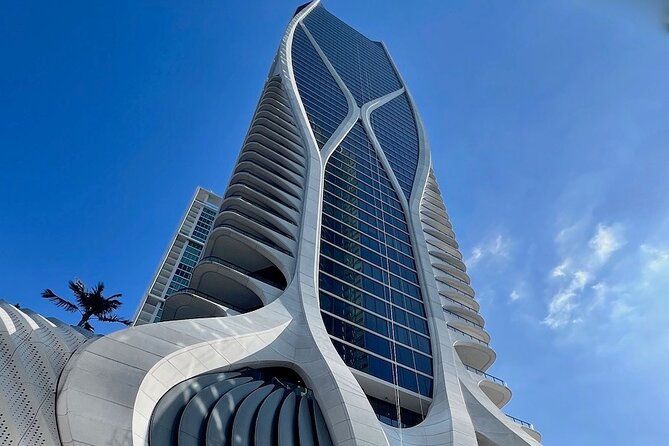
- Miami Worldcenter and the new downtown
- Maurice A. Ferré Park and the waterfront finish
- Freedom Tower and the Cuban story
- What $65 includes and what it does not
- Who should book this Miami walk?
- My booking verdict
- FAQ
- How long is the Hidden Gems of Downtown Miami Guided Walking Tour?
- Where does the tour start?
- Where does the tour end?
- Is coffee included?
- How large is the tour group?
- What happens if the tour is canceled because of bad weather?
Key points about the downtown walk
- Miami’s story starts at the river: Learn about the Tequesta people and the city’s earliest settlement area.
- Architecture does the storytelling: See Masonry Vernacular, Mediterranean Revival, Art Moderne, and Neoclassical Revival buildings.
- Small groups keep the walk personal: The maximum is 10 people, useful when exploring narrow historic spaces.
- A cafecito is included: Stop at a local ventanita for a taste of Miami’s Cuban coffee culture.
- The route links old and new Miami: Move from Gesu Church and Olympia Theater to Miami Worldcenter and the Miami Bull.
- The finish is waterfront Miami: Maurice A. Ferré Park brings museums, cruise ships, yachts, marine life, and public art into the picture.
Why this walk helps you understand Miami

Many first-time visitors see Miami as a collection of glossy towers, palm-lined streets, and waterfront views. That picture is incomplete. Downtown has a layered story, and this walk gives you a useful framework for reading it.
You begin beside the Miami River, the natural corridor that shaped early settlement and later trade. From there, the route moves through the downtown core, where the city’s commercial and residential center took form during the Florida Land Boom of the 1920s.
The value is not just in seeing old buildings. It is in learning how Miami changed from a small outpost into a major American city. The route also shows how different communities shaped downtown, from the Tequesta people to Cuban exiles and the modern international business world.
I especially like that the walk does not stay in one period. You see early Miami, 1920s architecture, Cuban cultural history, modern finance, luxury development, and the museum district in one compact route.
More walking tours in Miami:
- Little Havana Food and Walking Tour in Miami
★ 5.0 · 8,882 reviews - The Official Art Deco Walking Tour by The Miami Design Preservation League
★ 5.0 · 1,580 reviews - South Beach Cultural Food and Walking Tour
★ 5.0 · 1,284 reviews
Starting beside the Miami River
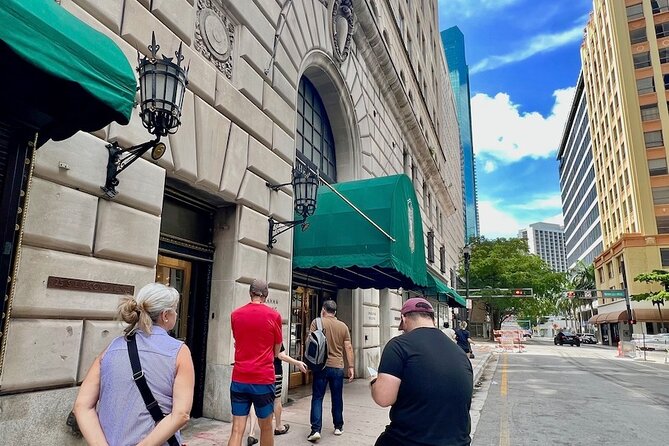
The tour begins at 315 South Biscayne Boulevard at 10:00 a.m. The opening stop is the Miami Riverwalk Trail, where you spend about 10 minutes discussing history, culture, architecture, and art.
This is a good place to begin because the river gives Miami a physical point of reference. The city’s earliest inhabitants, the Tequesta, hunted and gathered in this area more than 8,000 years ago. Today, high-rise residences, hotels, restaurants, and international businesses surround the same waterway.
That contrast is the point. You can look across the river and see a modern downtown while learning about a much older human presence. The riverfront also helps you get your bearings before the group moves into the dense center of the city.
The stop is outdoors and admission is free. Since the tour requires good weather, the riverfront portion may be especially important to the overall feel of the morning.
Miami Tower and the city’s love of colored light
The next stop is Miami Tower, another 10-minute visit. This tiered glass skyscraper became known for dramatic colored lighting on its exterior. That lighting helped set a pattern later followed by public bridges and privately owned buildings across the city.
The special feature here is a hidden garden and park within the tower’s skydeck. That gives the stop more substance than a quick look at a famous facade. You get a sense of how downtown buildings can contain small public spaces above the street.
This is also a useful example of Miami’s modern architectural personality. The tower is sleek, bright, and designed to be noticed, yet the garden offers a quieter counterpoint. If you enjoy buildings and urban design, this stop should be one of the more memorable early moments.
The visit is short, so do not expect a long stay at the skydeck. The experience is about seeing an unusual part of the building and hearing how its lighting influenced the city around it.
The Downtown Historic District in 40 focused minutes
The longest part of the tour is a 40-minute walk through the Downtown Miami Historic District. That extra time matters because this is where the route gathers its architectural detail.
The district includes about 60 historic buildings listed on the National Register of Historic Places. You may see several of them, with stops varying by day. The buildings represent styles that tell different parts of Miami’s growth:
- Masonry Vernacular: Practical local construction that reflects early Florida building traditions.
- Mediterranean Revival: A style suited to Miami’s climate and its fondness for Spanish and Mediterranean references.
- Art Moderne: Streamlined design associated with the modern city of the early 20th century.
- Neoclassical Revival: Formal proportions and classical details used for civic and commercial buildings.
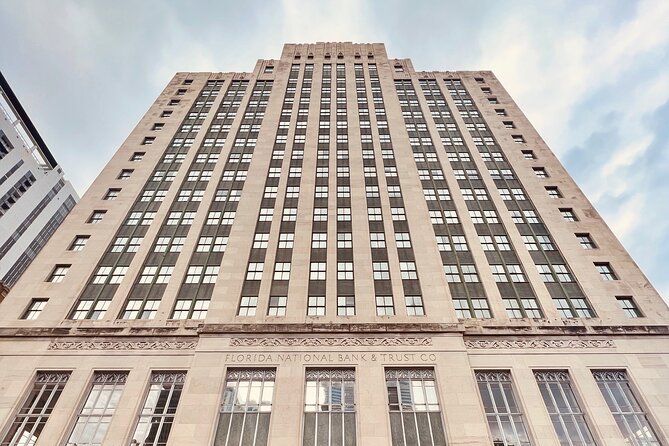
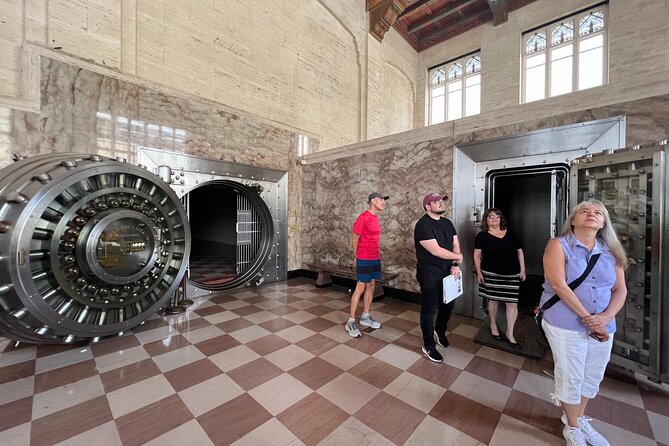
The route can include the Ingraham Building, Alfred I. duPont Building, Seybold Building, and Gesu Church. The promise of access to select historic interiors is important here. You are not limited to looking at facades from across the pavement.
This is the heart of the experience for anyone who likes architecture. The available feedback singles out the way architecture explains Miami’s story, and I agree with that emphasis. Buildings are easier to remember when you know why they were built and how they fit into the city’s growth.
The drawback is that the route cannot give every building equal attention. A 40-minute district walk is generous compared with the other stops, but downtown has too much to cover in one morning. Treat this as an introduction that helps you decide where to return later.
A few more Miami bookings worth a look
- From Miami: Everglades Airboat, Wildlife Show & Bus Transfer
★ 4.2 · 8,622 reviews - Miami: Biscayne Bay Millionaire’s Homes Sightseeing Cruise
★ 4.5 · 7,348 reviews - Miami: Everglades National Park Airboat Tour & Wildlife Show
★ 4.5 · 7,296 reviews - Miami: Hop-on Hop-off Open-top Bus Tour and Optional Cruise
★ 4.1 · 3,077 reviews
The Miami Bull and modern financial Miami
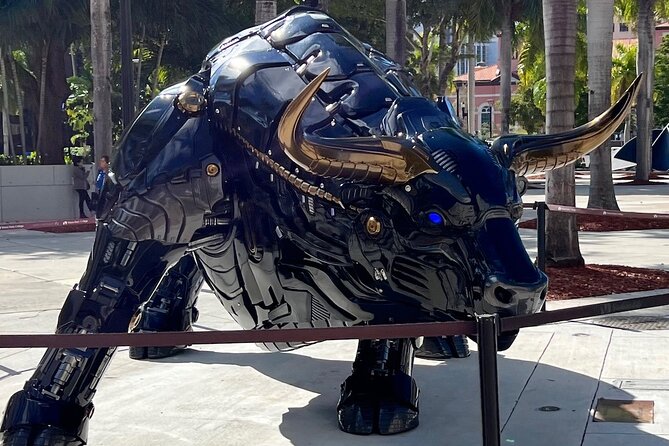
The Miami Bull receives about five minutes. This large sculpture is presented as a futuristic symbol of modern finance, with a dramatic appearance that makes it a natural photo stop.
Its construction combines traditional and digital sculpting, hand-built fabrication, and 3D printing. The result has a Transformers-like look, with a polished, mechanical quality that fits Miami’s newer financial image.
You will not spend long here, and that is fine. The sculpture works as a visual break between the older architecture and the historic religious buildings that follow. It also shows how public art in downtown Miami often aims for spectacle.
Gesu Church, Miami’s oldest parish
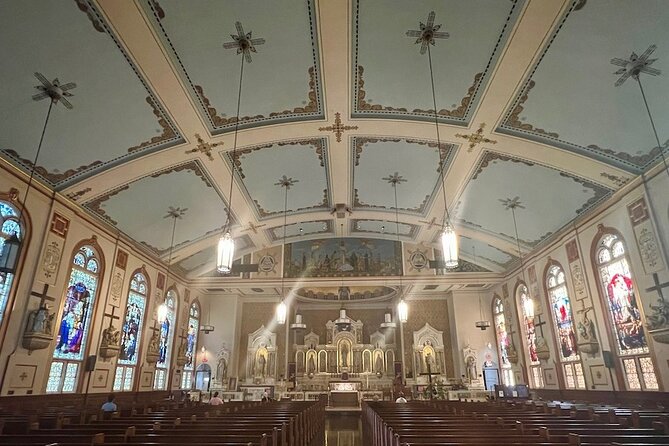
Gesu Catholic Church gets another five minutes, but its importance is greater than the time suggests. It is considered the oldest building in Miami still standing on its original site and the city’s oldest Roman Catholic parish.
The church is Mediterranean Revival in style and appears on the National Register of Historic Places. It has been restored to its original appearance, allowing you to see the architectural details as they were intended.
This stop adds a religious and community dimension to the walk. Downtown history is not only about banks, hotels, and office towers. Churches often reveal how early residents built institutions and created a sense of place.
Five minutes is enough for an introduction and a look at the architecture. If you want extended quiet time inside, you may wish to return on your own.
Olympia Theater and the entertainment city
Olympia Theater was built in the early 1920s as a silent movie theater and vaudeville house. The Mediterranean Revival building is known for its theatrical design and once hosted performers including Elvis, Pavarotti, Desi Arnaz, and Ella Fitzgerald.
The stop lasts about five minutes, so the focus is on the theater’s story and exterior or accessible features rather than a full performance-venue visit. Even so, it gives downtown a lively cultural past that is easy to miss among the newer towers.
I like this stop because it shifts the story from commerce to entertainment. Miami was not only a place where people built offices and shops. It also became a stage for major performers and a place where audiences gathered for film, music, and live shows.
The International Jewelry District and Seybold Building
The International Jewelry District covers four blocks and contains more than 500 jewelry stores. It is described as the second-largest jewelry district in the United States, making it an unusual addition to a standard downtown walk.
The route includes the Seybold Building, a well-known center for custom jewelry and watches. The district has an international business character, with customers seeking one-of-a-kind pieces and luxury goods.
This section helps you see Miami as a trading city, not simply a resort city. It also connects the historic district with the modern world of celebrity jewelry and high-end retail. The visit lasts about five minutes, so you should expect a quick orientation rather than time to browse every shop.
If jewelry interests you, pay attention to the building and the district’s commercial role. If it does not, the stop still adds useful variety to the morning.
Miami Worldcenter and the new downtown
Miami Worldcenter presents the city at its most recent and ambitious. This $4 billion urban development covers more than 20 acres and combines retail and residential uses.
The tour spends about 10 minutes here. That is enough to discuss the scale of the project and compare it with the earlier buildings you have just seen. The contrast is sharp: from restored churches, theaters, and early commercial blocks to a large planned development designed for a new generation of downtown living and shopping.
This stop is useful because it prevents the tour from becoming an old-building history lesson. Miami continues to change quickly, and Miami Worldcenter shows the scale of that change.
Still, large developments can feel less personal than older streets and buildings. The guide’s explanation is what gives this stop meaning. Without context, it may look like a construction and retail zone. With context, it becomes part of the larger story of Miami’s transformation.
Maurice A. Ferré Park and the waterfront finish
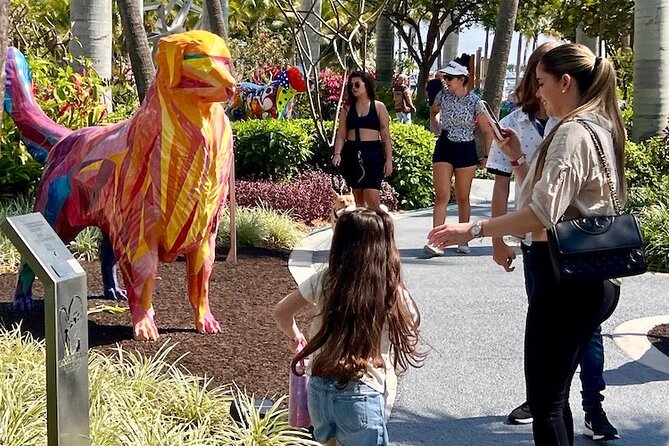
The route reaches Maurice A. Ferré Park for about 20 minutes, making it one of the longer stops. This downtown waterfront area includes the Pérez Art Museum Miami, Frost Science, and a colorful dog and cat art installation.
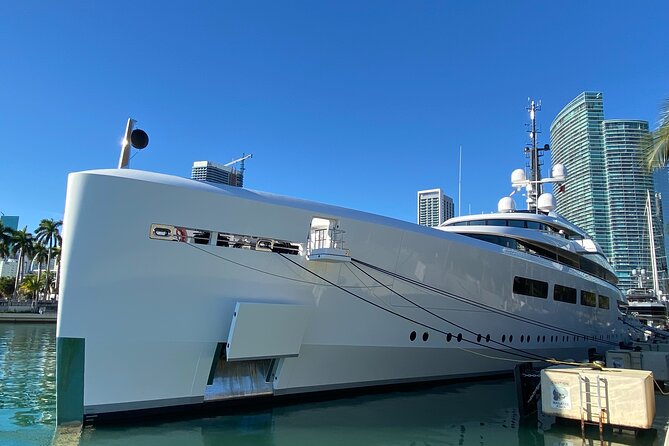
You also walk along the water to see mega-yachts, cruise ship departures, and marine life. The view connects downtown to Miami’s maritime side and gives the tour a more open ending after the tight streets of the historic center.
The park is a good place to think about the city’s present identity. Museums, public art, cruise traffic, and luxury boats all share the same waterfront. You see how Miami presents itself as an international cultural and leisure center.
The museums are part of the setting, not included admissions. The tour does not provide enough time to visit either one properly, but you can note them for a later visit. That is one of the practical strengths of the route: it gives you a map of downtown attractions without trying to replace them.
Freedom Tower and the Cuban story
Freedom Tower receives about 10 minutes and brings the walk to an important cultural point. The Mediterranean Revival building symbolizes freedom for Cuban people who fled Castro’s Cuba and made Miami their home.
The tower is a key place for understanding Miami’s Cuban history. The city’s identity was shaped not only by tourism and real estate, but also by migration, political upheaval, and the creation of new communities.
This final stop also gives the Cuban cafecito a stronger setting. The included coffee break at a local ventanita is a small detail, but it connects the walk to everyday Cuban Miami rather than leaving the subject at the level of monuments.
The ending is at Park West in Miami Worldcenter, not back at the starting point. Plan your next activity from that location. The finish near the modern development also creates a neat contrast with the riverfront beginning.
What $65 includes and what it does not
At $65 per person, this is not the cheapest way to walk downtown. You can see many streets and public buildings without paying for a guide. The question is what you want from the morning.
The fee covers a two-hour guided walk, a Cuban cafecito, and exclusive access to historic buildings and iconic skyscrapers. Those access points and the architectural explanations are the main value. You are paying for interpretation, route planning, and a small group rather than transportation or museum entry.
The group maximum of 10 is another positive. A small group makes it easier to hear the guide, ask about details, and move through downtown without the delays of a large tour.
The tour is offered in English and uses a mobile ticket. It is near public transportation, and most people can participate. Wear comfortable shoes and be ready for steady walking, though the supplied details do not specify the exact distance or whether seating is available at each stop.
Free cancellation is available up to 24 hours before the 10:00 a.m. start time for a full refund. Changes or cancellations made inside that period are not accepted for a refund. Since good weather is required, a weather cancellation brings an alternate date or a full refund.
Who should book this Miami walk?
I would choose this tour if you want a short, guided introduction to downtown architecture and culture. It suits first-time visitors, people with only one morning in central Miami, and anyone who prefers buildings and local history to a standard sightseeing loop.
It is also a good fit if you enjoy comparing old and new city design. The route moves from the Miami River and Tequesta history to 1920s buildings, Cuban heritage, modern finance, public art, museums, and Miami Worldcenter.
You may want a different plan if your main goal is to spend an hour inside a museum, shop for jewelry, or take leisurely photographs. Several stops last only five minutes, and the tour covers a lot of ground in a short time.
My booking verdict
Book it if you want Miami explained rather than simply displayed. The best reasons are the small group, the architecture-led route, access to select historic buildings, and the clear sweep from the Miami River to Cuban Miami and the modern waterfront.
Skip it if you dislike brisk walks or prefer to explore one attraction at length. For $65, the tour earns its price through context and access, not through admission tickets or a long café stop. For a compact first look at downtown, it is a sensible choice.
FAQ
How long is the Hidden Gems of Downtown Miami Guided Walking Tour?
The tour lasts approximately two hours and begins at 10:00 a.m.
Where does the tour start?
It starts at 315 South Biscayne Boulevard, Miami, Florida 33131.
Where does the tour end?
The walk ends at Park West in Miami, Florida 33130, located within Miami Worldcenter.
Is coffee included?
Yes. The tour includes a Cuban cafecito at a local ventanita along the route.
How large is the tour group?
The tour has a maximum of 10 participants.
What happens if the tour is canceled because of bad weather?
You will be offered a different date or a full refund.
Fresh reviews out of Miami
- Miami’s Best Views: Private Boat Tour★ 5.0 · 3 reviews
- Jetcar Experiences★ 5.0 · 3 reviews
- Palm Beach Tour from Miami – Flagler’s Museum + Hotel Breakers★ 5.0 · 3 reviews
- Hollywood Meets Miami Beach Movie and Tasting Tour★ 5.0 · 3 reviews
- Miami: Private Yacht Rental Tour with Dolphins and Snorkel★ 4.9 · 3 reviews
- Miami: Everglades National Park Hiking and Kayaking Day Trip★ 5.0 · 3 reviews
- Miami: 30-Minute Private Helicopter Tour with Champagne★ 5.0 · 3 reviews
- Little Havana French Gourmet Guided Tour★ 5.0 · 3 reviews
Walking Tours, compared.

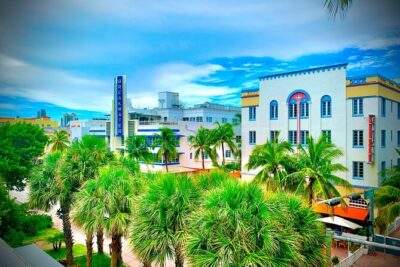
The Official Art Deco Walking Tour by The Miami Design Preservation League
Read our review →
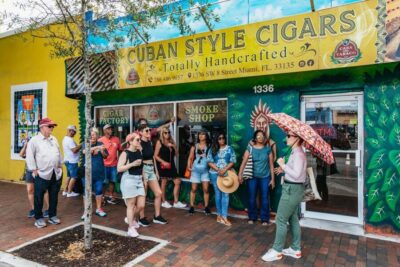
Little Havana Food Walking Tour with Tastings
Read our review →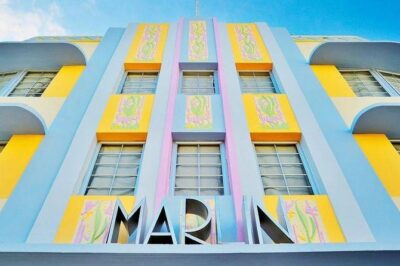

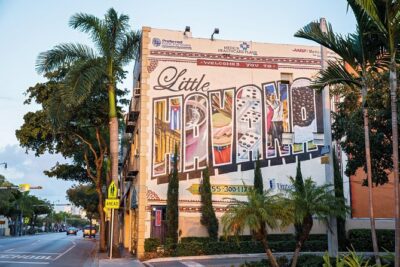
Walking Food Tour of Little Havana with Cuban Dishes Tasting
Read our review →
Browse the lists this tour appears in