
Reviewed · FORT LAUDERDALE TOURS
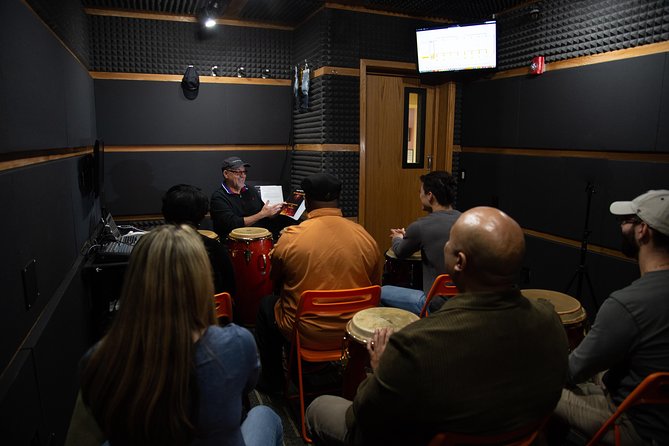
Learn to Play Congas in 15 Minutes
Learning a usable conga rhythm in 15 minutes is the clever hook here, but the real appeal is the full evening that follows. Manny teaches a basic Tumbao, also called a Marcha or rhythm pattern, then guides you through jazz, rock, Latin, soul, funk, R&B, and pop.
I like the small maximum of 12 people, since hand position and timing are much easier to fix when the instructor can watch you closely. I also like that you leave with printed music, not just a pleasant memory and sore palms. The main consideration is the location: this is promoted as a Fort Lauderdale experience, but you actually meet in Coral Springs at 7501 Wiles Road.
- A fast first lesson: Learn the core conga pattern without needing musical training.
- Manny’s personal teaching style: Expect stories about the drums, American music, and his own life as a musician.
- A play-along lasting 60 to 70 minutes: Put the new rhythm to work with several popular music styles.
- A real audience show: You are not simply watching a demonstration. You play along for much of the evening.
- A take-home practice aid: Printed sheet music helps you continue after the class.
- A relaxed evening format: Bottled water is included, and adults 21 and over may bring alcohol in moderation.
In This Review
- What the 15-minute conga promise really means
- Starting at Mach Music Studio in Coral Springs
- Manny’s short introduction to conga drums and American music
- The core lesson: Tumbao, Marcha, and hand technique
- Sixty to 70 minutes of playing familiar styles
- Why beginners and families fit this class well
- What is included, and what you should plan for
- A small class with a personal teacher
- The practical limits of a two-hour workshop
- Cancellation and booking timing
- Who should book Learn to Play Congas in 15 Minutes
- FAQ
- Where does the conga experience take place?
- What time does the class begin?
- Do I need previous musical experience?
- What age can children be?
- How many people can join the class?
- What happens if I need to cancel?
What the 15-minute conga promise really means
The name is designed to grab your attention, and it describes the first major teaching goal rather than the entire experience. You are not expected to become a polished percussionist in a quarter of an hour. Instead, Manny presents one common rhythmic pattern in a simple form, so you can begin making music quickly.
That distinction matters. Many beginner music classes spend the first session on terminology, posture, and theory before you make a sound that resembles music. Here, the early success comes first. You learn how the hands work, where the beats fall, and how a repeated pattern supports other instruments.
The class also covers reading notes. That is useful for anyone who wants to practice later, though you should keep your expectations sensible. You will receive the music you learned and an introduction to notation, but becoming fluent will take practice at home.
No previous musical background is required. The experience is aimed at children age 8 and older as well as adults, and the teaching approach is meant to help people who think they have no rhythm. Several of the class’s strongest moments come from removing that fear. You do not need to arrive as a drummer.
Starting at Mach Music Studio in Coral Springs
The listed meeting point is Mach Music Studio, 7501 Wiles Road, Coral Springs, Florida 33067. The start time is 8:00 p.m., and the activity ends back at the same meeting point.
If you are staying in Fort Lauderdale, check the driving time before booking. Coral Springs is not the same as central Fort Lauderdale, and private transportation is not included. You are responsible for getting to the studio and returning afterward.
The mobile ticket makes entry simple, but the practical issue is still the address. Save the full Coral Springs location rather than relying only on the broader Fort Lauderdale label. This is an evening class, so allow enough time to arrive without rushing. A late arrival could be awkward in a rhythm lesson, where the group may already be working together.
The setting is a studio rather than a sightseeing stop. That means you are coming for the activity itself, not for a view, historic building, or neighborhood walk. If you want a hands-on night away from the usual restaurant or bar routine, that focus is a strength.
A few more Fort Lauderdale bookings worth a look
- Water Taxi All Day hop-on hop-off Venice of America Boat Tour
★ 4.5 · 3,932 reviews - VENICE OF AMERICA TOUR!! Best of Fort Lauderdale over 30 years!!!
★ 4.5 · 1,952 reviews - Everglades Holiday Park Airboat Tours & Rides
★ 4.0 · 1,884 reviews
Manny’s short introduction to conga drums and American music
The program opens with about eight minutes on how conga drums have influenced American music. Manny also demonstrates several rhythms from his recently published book.
This portion gives the lesson some context. You hear the conga as part of a wider musical story rather than as an isolated drum sitting in front of you. The class connects the instrument with styles you may already know, including rock, jazz, soul, funk, R&B, Latin music, and pop.
Manny’s approach includes stories about music, the drum, and his own life. That personal material helps keep the opening from feeling like a dry lecture. It also gives you a sense of why the instrument matters to him.
Still, the history segment is brief. If you want a full academic study of Afro-Caribbean percussion, this is not that. The eight-minute introduction is there to set up the playing, not replace it.
The core lesson: Tumbao, Marcha, and hand technique
The central lesson focuses on a basic conga rhythm used in much popular music. You learn the pattern step by step, with Manny breaking down the beat so the group can follow it together.
The key benefit is repetition. You do not hear the pattern once and then move on. You practice it, adjust your timing, and use it again as the lesson develops. For a beginner, that is more valuable than a long list of rhythms that never settle into your hands.
You also learn how different parts of the hands create different sounds. The class introduces basic hand-drumming techniques, which gives the rhythm more shape than simply striking the drum in one spot. Manny’s method is described as easy to follow, and the small group allows him to give hands-on guidance.
This is where the group limit of 12 matters most. With a larger audience, a student who is using the wrong hand position could easily disappear into the noise. A group this size should make it easier to notice mistakes and regain the beat.
The promise to teach you to read the notes is another useful feature. You receive a printed copy of the music you learned at no extra charge. Keep it somewhere visible at home. The difference between a one-night novelty and a new hobby is often what you do in the week afterward.
Sixty to 70 minutes of playing familiar styles
After the basic lesson, the class becomes an extended play-along. The audience plays for roughly 60 to 70 minutes, moving through rhythms connected to jazz, rock, Latin, soul, funk, R&B, and pop.
This is the part that turns instruction into a shared performance. You are not expected to perform a solo or compete with anyone. You repeat the learned pattern while Manny leads the group and places it in different musical settings.
The familiar styles should help you hear how one rhythm can serve different kinds of music. That is a useful lesson in itself. Beginners often assume every song needs a completely new beat, but a strong basic pattern can work across many settings when the timing and feel change.
The audience-participation format also changes the mood. You have to listen to the people around you, stay with the pulse, and recover if you lose your place. That can be funny and slightly chaotic, but it is part of the point. You learn by doing, not by waiting for perfect conditions.
If you prefer a quiet, private lesson, this may not be the right fit. The format is social and public within the group. If you enjoy learning alongside other people, the shared sound is likely to make the night more memorable.
Something completely different for your Fort Lauderdale days:
- Everglades: Sawgrass Park Day Time Airboat Tour & Exhibits
★ 4.2 · 1,857 reviews - Florida Everglades Airboat Adventure and Wildlife Encounter
★ 4.5 · 1,791 reviews - Jungle Queen Riverboat 90-Minute Narrated Sightseeing Cruise in Fort Lauderdale
★ 4.5 · 1,753 reviews - 1-Hour Interactive Pirate Cruise (arrive 30 minutes early)
★ 5.0 · 1,483 reviews
Why beginners and families fit this class well
The activity is especially well suited to families with older children, couples, and groups of friends. Children must be at least 8 years old, and the class can give a family something to do together that does not depend on screens or athletic ability.
A 13-year-old can take part alongside adults, provided the child is comfortable joining an audience activity. The lesson is designed for people at different skill levels, including those who describe themselves as unmusical or unable to keep time.
For couples, the two-hour format makes a good alternative date night. You get a shared task, plenty of chances to laugh, and a skill you can continue practicing together. Friends can treat it as a playful group outing, especially if everyone is willing to make a few mistakes in public.
Solo participants are also welcome. The class does not require you to arrive with a partner or a full group. The audience format gives you a way to meet the activity on its own terms, even if you are visiting the area alone.
The best attitude is curiosity rather than perfection. You may learn the pattern quickly, but clean sound, steady tempo, and confident reading will take more than one evening.
What is included, and what you should plan for
The $35 price covers the two-hour experience, bottled water, instruction, the play-along, and a printed copy of the music you learned. For an evening that combines a lesson with a live audience format, that is a fair price, especially if you value an activity rather than a passive show.
The printed music adds practical value. You are not paying only for entertainment at the studio. You receive something that lets you repeat the lesson at home, assuming you have access to a conga drum or another suitable practice setup.
Private transportation is not included. Plan your own way to Coral Springs and back. The ticket is mobile, and confirmation is provided when you book, so the main preparation is checking the meeting address and timing.
Alcohol is allowed on a BYOB basis for people age 21 and over, in moderation. That can suit an adult evening, but keep the class in mind. Playing a steady rhythm requires attention, and too much alcohol will make the hands less reliable rather than more musical.
A small class with a personal teacher
Manny is the main reason this activity feels different from a standard group demonstration. His role is part teacher, part performer, and part storyteller. He explains the technique, plays examples, and encourages people who arrive convinced they cannot do it.
His teaching style is patient and direct. He breaks the rhythm into manageable parts, then builds it back up. That method is particularly helpful if you are worried about counting, hand placement, or making a mistake in front of other people.
He has also helped participants with their own instruments, including tuning a personal conga. That is not listed as a formal service, so you should not book expecting a private repair session, but it shows the practical side of his teaching.
The tone is warm and playful. Manny often closes with his cheerful Congalistic Day sign-off, and that gives the class a distinct personality. Some people will enjoy the enthusiasm. Others may prefer a more formal music lesson. The experience clearly leans toward fun and encouragement rather than strict conservatory instruction.
The practical limits of a two-hour workshop
Two hours is long enough to learn one pattern and spend real time playing it, but not long enough to cover every conga technique. You should expect a strong introduction, not a complete course in percussion.
The class focuses on accessible rhythm patterns rather than advanced solos, complex arrangements, or a full survey of drum construction. That makes it a good first step. It also means experienced percussionists may find the material basic.
The 8:00 p.m. start is worth noting. It works well as an evening plan, but families with younger children may find the end time late. Since children must be at least 8, the age rule removes toddlers from the equation, but parents should still decide if a two-hour nighttime program suits their group.
The activity is offered in English. The supplied information includes a Spanish-language comment, but it does not promise bilingual instruction. If you need teaching in another language, confirm before booking rather than assuming.
Service animals are allowed, and most people can participate. No special fitness level is stated. Since this is a seated or studio-based music activity rather than a walking tour, the main requirement is being able to take part in the hand-drumming lesson. If you have a specific access need, ask the provider before arrival.
Cancellation and booking timing
You can cancel free of charge up to 24 hours before the 8:00 p.m. start time for a full refund. Cancellations or changes made within 24 hours are not accepted and are not refunded.
The experience is often reserved about 38 days ahead. That suggests you should plan early if your schedule is fixed, particularly if you want a certain evening. The maximum is 12 people, so a small group can fill faster than a large public show.
The rating is 5 out of 5 from 105 ratings, with 100 percent recommending the activity. Those figures point to very strong satisfaction, but the experience still has a specific personality. You need to enjoy active participation, group sound, and a teacher who brings plenty of enthusiasm.
Who should book Learn to Play Congas in 15 Minutes
I would choose this for a family with older children, a couple seeking an unusual date night, or friends who want to try something hands-on. It also suits solo music fans who like learning in a social setting and want a small souvenir lesson to practice later.
The $35 cost is easy to justify if you take advantage of the whole format. You get instruction, a long play-along, cultural and musical context, bottled water, and sheet music. The value drops if you are looking for a quiet concert or a private lesson, since much of the experience depends on joining the group.
Book it if you want to make noise, learn a basic pattern quickly, and leave with enough information to keep practicing. Skip it if you dislike audience participation, need transportation included, or want advanced percussion training. For the right person, this is a lively and affordable way to spend two hours in the Fort Lauderdale area, with the important detail that the drums are waiting in Coral Springs.
FAQ
Where does the conga experience take place?
The meeting point is Mach Music Studio at 7501 Wiles Road, Coral Springs, Florida 33067. Although the experience is associated with Fort Lauderdale, the stated start location is in Coral Springs.
What time does the class begin?
The activity starts at 8:00 p.m. and lasts approximately two hours. It ends back at the meeting point.
Do I need previous musical experience?
No. The class is designed for beginners, and no musical background is required.
What age can children be?
Children must be at least 8 years old. The activity is also intended for adults.
How many people can join the class?
The maximum group size is 12 participants.
What happens if I need to cancel?
You can receive a full refund if you cancel at least 24 hours before the experience start time. Cancellations or changes made within 24 hours are not refunded.
Fresh reviews out of Fort Lauderdale
- Bite of the Beach, a Lauderdale by the Sea Walking Food Tour★ 5.0 · 3 reviews
- Epic Surf Lessons Dania Beach★ 5.0 · 3 reviews
- Signature Massage & Spa with Master Therapist and Infra Red Sauna★ 5.0 · 3 reviews
- Port Everglades to Fort Lauderdale Airport (FLL) – Departure Private Transfer★ 4.5 · 3 reviews
- Private Evening Boat Tour Fort Lauderdale for 12 People★ 5.0 · 3 reviews
- Private Half Day Deep Sea Sportfishing Charter in Fort Lauderdale★ 5.0 · 3 reviews
- 1 Hour-Relaxing Private Boat Tour – Fort Lauderdale (Up to 6 Pax)★ 5.0 · 3 reviews
- Fort Lauderdale: 6 People Golf Cart Rental★ 5.0 · 3 reviews
Fort Lauderdale Tours, compared.

Water Taxi All Day hop-on hop-off Venice of America Boat Tour
Read our review →
VENICE OF AMERICA TOUR!! Best of Fort Lauderdale over 30 years!!!
Read our review →
Everglades Holiday Park Airboat Tours & Rides
Read our review →
Sawgrass Park Day Time Airboat Tour & Exhibits
Read our review →
Florida Everglades Airboat Adventure and Wildlife Encounter
Read our review →
Jungle Queen Riverboat 90-Minute Narrated Sightseeing Cruise in Fort Lauderdale
Read our review →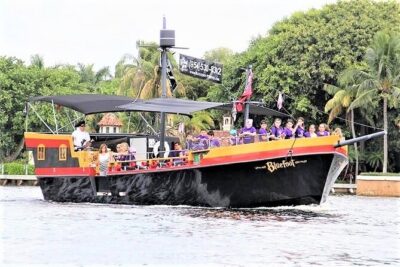
1-Hour Interactive Pirate Cruise (arrive 30 minutes early)
Read our review →
All You Can Eat BBQ Dinner and Show at Tropical Isle with Sightseeing Cruise
Read our review →Browse the lists this tour appears in