
Reviewed · REEF & GLASS-BOTTOM BOAT TRIPS
Miami Beach: Guided 2-Tank Reef and Wreck Dive Trip
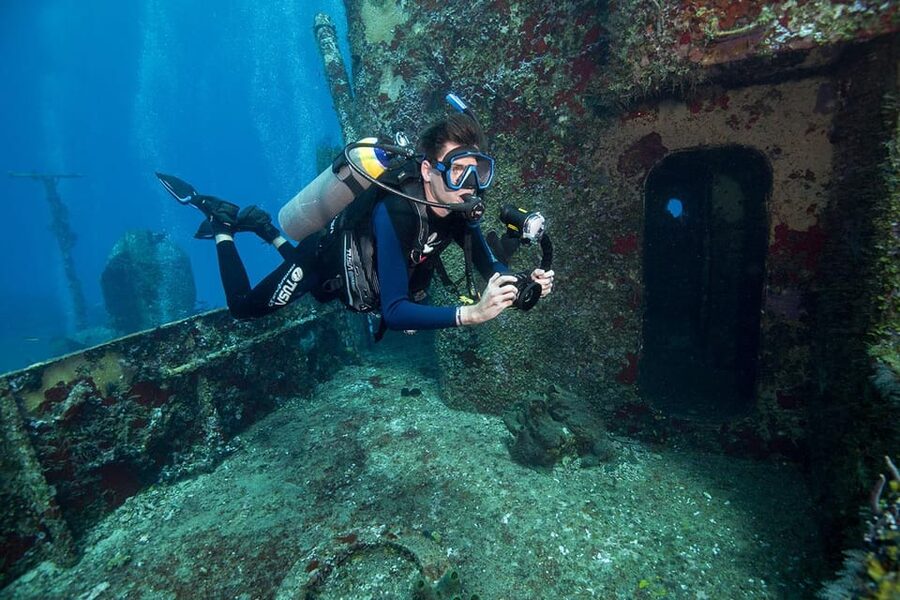
Miami’s underwater appeal is simple: on one four-hour outing, you can visit a real shipwreck and a reef filled with fish, rays, turtles, eels, and small reef creatures. The trip uses small groups, which matters when you are checking equipment, descending, and moving around a wreck.
I like that the boat, guide, weights, parking, water, and snacks are included in the $107 price. I also like the two-stop format, with about an hour at each underwater site instead of one short session. The main catch is that tanks and all scuba equipment cost extra, so the final bill can rise quickly if you are not bringing your own kit.
In This Review
- Quick points to know
- Two underwater stops from Haulover Park
- The wreck stop brings variety to the day
- The reef stop shifts attention to sea life
- What the boat time means for your schedule
- The $107 price is only the starting point
- Small groups and guide support
- Certification rules are firm for a reason
- Who will get the most from this outing
- Practical booking advice
- Should you book this Miami scuba trip?
- FAQ
- Where does the scuba trip meet?
- What address should I use for Uber or Lyft?
- How long does the experience last?
- Are tanks included in the $107 price?
- Is scuba equipment included?
- What is included in the booking?
- Do I need scuba certification?
- Can children join?
- What languages are available?
Quick points to know
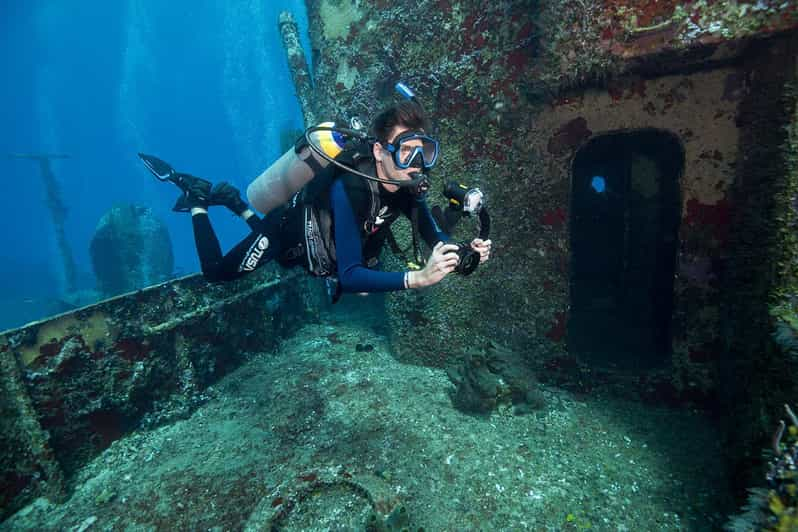
- Two different underwater settings: Visit a shipwreck and a reef during the same morning or afternoon outing.
- Four hours from one marina: The trip leaves from Bill Bird Marina at Haulover Park and returns there.
- Certified divers only: You must have scuba certification and must have been underwater within the past 12 months.
- Equipment is extra: Air tanks cost $26, Nitrox tanks $36, and a complete set of listed rental gear adds $95, before tax.
- Useful comforts included: Expect weights, filtered water, refreshments, cookies, chips, the boat, parking, and a guide.
- English and Spanish service: The guide service is offered in both languages.
Two underwater stops from Haulover Park
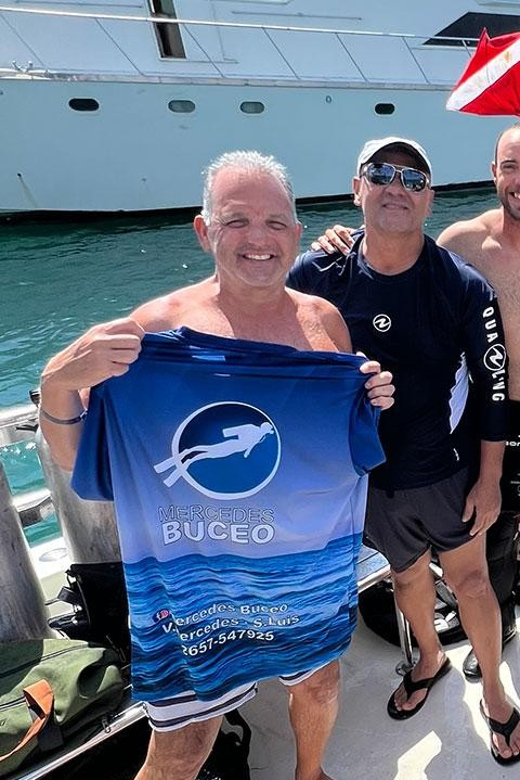
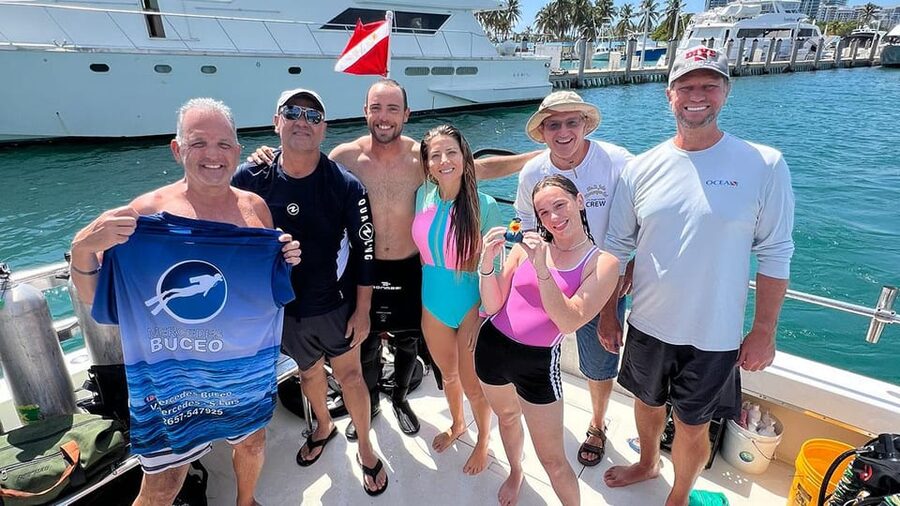
This outing begins at Bill Bird Marina, at 10800 Collins Ave in Miami Beach. The boat is the Sea Mi Amor, tied at slip E15. If you use Uber or Lyft, enter Kelley Fishing Fleet, 10800 Collins Ave, Bal Harbour, Florida, then walk south toward slip E15.
That exact address matters. Haulover Park has several marina and water-related operations, so using the wrong name in a rideshare app could leave you wandering around with a gear bag. Give yourself enough time to find slip E15, check in, and get ready without rushing.
The total trip lasts about four hours. The listed water travel includes roughly 45 minutes from the marina to the first site, about 20 minutes between the two underwater stops, and another 45 minutes back. That leaves around two hours for the actual scuba sessions, with about one hour at each location.
I think this is a good structure for a half-day outing. You get two separate chances to see marine life, but the boat ride also takes a fair portion of the schedule. If your only goal is maximum time underwater, a trip with fewer transit miles might suit you better. If you want variety, the travel time helps connect two very different sites.
More reef and glass-bottom boat trips:
- Key Largo Two Reef Snorkel Tour – All Snorkel Equipment Included!
★ 5.0 · 1,520 reviews - Key Largo Coral Reef Glass Bottom Boat Adventure
★ 4.0 · 1,048 reviews - 90-Minute Snorkel & Seabob Underwater Guided Reef Tour in Fort Lauderdale
★ 5.0 · 541 reviews
The wreck stop brings variety to the day
The first underwater session is described as a wreck or another selected site, depending on conditions and the guide’s choice. Miami has more than 50 possible sites, including wrecks, reefs, drift areas, and deeper locations. The exact wreck is not named, so you should not book this expecting one specific vessel or a fixed piece of maritime history.
That uncertainty is common with boat-based scuba outings. Site choice can depend on conditions, depth, certification levels, and what the crew considers suitable on the day. The upside is flexibility. The guide can choose a site that works for the group rather than forcing everyone into one location.
A wreck gives you something more structured to look at than an open reef. You can examine the shape of the vessel, follow its outer sections, and watch fish gather around hard surfaces. Some wreck locations are protected zones, which can help support larger fish populations and make the site feel more alive.
You will need to follow the guide closely around any wreck. Even when you stay outside the structure, visibility, depth, current, and limited air supply all affect how long you can remain in one area. The guide is there to keep the group together and point out features that are easy to miss when you are busy managing your own equipment.
The information provided describes Miami’s waters as warm and clear, with good visibility. That is useful for wreck exploration because you can often see the overall form of the site instead of finding only a small section in front of your mask. Still, clear water is not a guarantee for every departure, and conditions can change.
The reef stop shifts attention to sea life
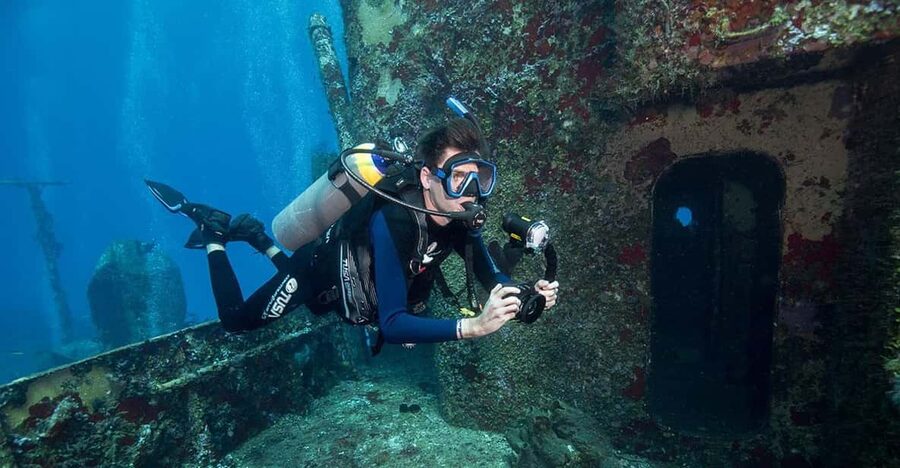
The second session takes place on a reef. Reef sites in the Miami area range from about 20 to 90 feet deep, giving the crew several ways to match the location to the group. A shallower reef can feel more relaxed and leave more time to watch small animals, while a deeper site may suit certified scuba users seeking a more demanding outing.
The reef is where you are most likely to slow down and study details. Look for arrow crabs, cleaner shrimp, lobsters, squid, octopuses, moray eels, and small boxfish. Larger sightings can include groupers, stingrays, turtles, snappers, grunts, parrotfish, triggerfish, and trumpetfish.
You might also encounter trunkfish, damsels, and other reef fish moving through the coral and rock. The appeal is not just the number of species. It is the change in scale, from a turtle passing by to a tiny shrimp tucked into a crevice.
The trip description refers to Miami as part of the world’s third-largest barrier reef system. That gives useful context for why the area supports so many different types of marine life. You are not simply visiting one isolated patch of coral. The reef system continues toward the Florida Keys, with sites at a range of depths.
The current can also shape the experience. Drift scuba allows you to move with the water instead of swimming hard against it. That can be enjoyable, but it means you need to stay aware of the guide and your group. The crew’s site choice and briefing are especially important when the current is moving.
What the boat time means for your schedule
The boat ride is part of the experience, but it is not underwater time. The first and last legs are each listed at about 45 minutes, with another 20 minutes between the two sites. For a four-hour booking, that is a substantial amount of time on the water.
I see this as a reasonable trade if you want access to offshore wrecks and reefs from one marina. The boat gives you a way to reach sites that are not practical from shore, and the two-stop plan makes better use of the trip than visiting only one location.
Bring a towel and swimwear, and expect to be around the water for most of the outing. Filtered water, refreshments, cookies, and chips are included, which is helpful after the first session and during the ride between locations. These are simple provisions, not a full meal, so plan accordingly if you need more substantial food.
Parking is included too. That is a useful saving in Miami Beach, where parking can add friction and cost to an otherwise straightforward outing. If you are driving, you still need to find the correct marina area and boat slip before departure.
A few more Miami bookings worth a look
- Little Havana Food and Walking Tour in Miami
★ 5.0 · 8,882 reviews - From Miami: Everglades Airboat, Wildlife Show & Bus Transfer
★ 4.2 · 8,622 reviews - Miami: Biscayne Bay Millionaire’s Homes Sightseeing Cruise
★ 4.5 · 7,348 reviews - Miami: Everglades National Park Airboat Tour & Wildlife Show
★ 4.5 · 7,296 reviews
The $107 price is only the starting point
The advertised cost is $107 per person. That covers the boat, guide, weights, filtered water, refreshments, cookies, chips, and parking. For someone who owns a complete set of equipment, this is a fairly clear price for a guided two-session boat outing, though the air tank charge still applies.
An air tank costs $26 per person, per trip, plus tax. That puts a diver bringing personal gear at $133 before tax. Nitrox costs $36, making the same setup $143 before tax. Nitrox can be useful for some certified divers, but the trip information does not state that it is included or required.
Rental equipment is itemized separately:
- Mask: $10
- Fins: $10
- Regulator: $30
- BCD: $25
- Wetsuit: $20
- Air tank: $26
- Nitrox tank: $36
Renting every listed item with an air tank adds $121 to the base price, for a total of $228 before tax. With Nitrox, the total becomes $238 before tax. That is the number to use when comparing this trip with other Miami scuba operators, not the $107 headline figure.
The price makes the most sense for certified scuba users who own at least some equipment or already expect to pay for a boat trip. If you need the complete kit, ask for the final total before booking. The rental rates are clear, but taxes are added, and the difference between the starting price and the fully equipped price is significant.
Small groups and guide support
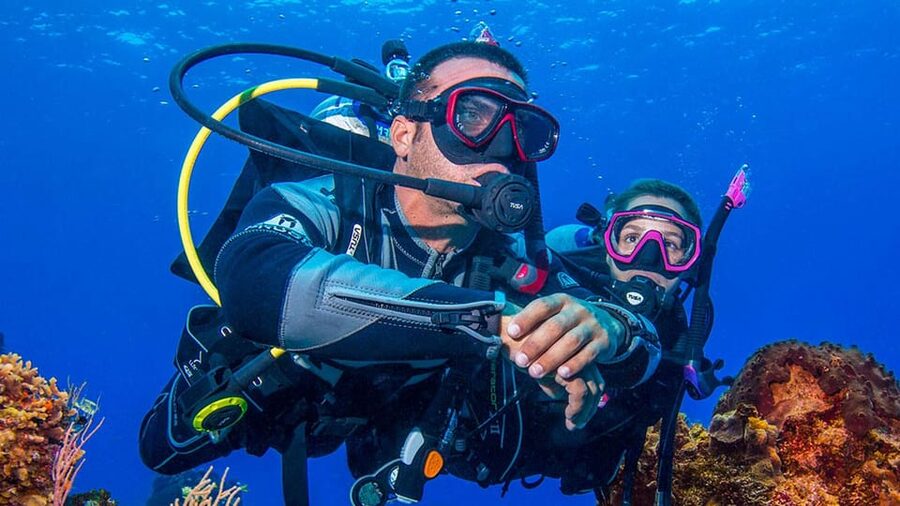
The small-group format is one of the strongest features here. Wrecks and reefs are easier to appreciate when you are not squeezed into a large crowd, and a smaller group gives the guide a better chance to keep track of everyone.
A guide can also make a major difference in what you notice. The animal list includes creatures that are easy to miss, such as cleaner shrimp, arrow crabs, squid, and octopuses. You may see more when someone is actively scanning the reef and signaling what to look for.
The crew has received very strong marks for organization, friendly service, and relaxed scuba sessions. One crew member named Patricia was singled out for providing especially good service to a family member on the trip. Another booking described the outing as well run and fun. The overall score is 4.8 from 13 ratings, with the available feedback consistently positive.
That said, short public comments cannot tell you everything about group size on a particular departure, the exact site selected, or the condition of rental equipment. If those details matter, contact Squalo Divers before you go and confirm what you need.
English and Spanish are available. This is practical during safety briefings, equipment checks, and site explanations. You should be comfortable understanding the instructions in one of those languages, especially around wrecks and moving water.
Certification rules are firm for a reason
This is not an introductory lesson. You need to be scuba certified, and you must have gone scuba diving within the last 12 months. That recent experience requirement is easy to overlook, especially if you hold an old certification but have not used it lately.
The rule protects the group and helps the crew plan a suitable outing. Boat entries, underwater navigation, buoyancy control, and equipment checks are all easier when everyone has recent practice. If your last session was more than a year ago, ask the operator what options are available before paying.
The experience is not suitable for children under 10, pregnant women, or people with heart problems. The supplied information does not provide a full medical screening list, so anyone with a health concern should check with a medical professional and the operator before booking.
You should bring swimwear and a towel. The trip includes snacks and drinks, but it does not list sunscreen, personal medication, a change of clothes, or underwater photography equipment. Pack anything you normally need for a boat day, while keeping your gear manageable around the marina.
Who will get the most from this outing
This trip fits a certified scuba user who wants a compact Miami Beach outing with two different underwater settings. It is especially useful if you want a wreck and reef in one booking instead of arranging separate trips.
It also suits people who value a guide and do not want to plan the sites themselves. With more than 50 possible locations in the area, site selection can be confusing. A guided boat trip removes much of that planning work and gives you a crew to help with the route and group pace.
You may want a different option if you are newly certified, have not used your certification within the last year, or want a beginner lesson. It may also be a poor value if you must rent every item and are comparing it with a package that includes tanks and full equipment.
Families should note the age restriction. Children under 10 cannot join, and the activity is not designed for non-certified family members to participate casually. This is a focused scuba outing rather than a general sightseeing cruise.
Practical booking advice
Use the exact marina address when arranging transportation: Bill Bird Marina at Haulover Park, 10800 Collins Ave, Miami Beach, Florida 33154. For Uber or Lyft, use Kelley Fishing Fleet, 10800 Collins Ave, Bal Harbour, Florida, then walk south to slip E15 and look for the Sea Mi Amor.
Check the available start times because the experience lasts four hours. The provider allows cancellation up to 24 hours before departure for a full refund, and you can reserve now and pay later. Those terms help if your Miami schedule is still shifting.
Before booking, confirm three things: the final equipment cost, the tank type you want, and what kind of site is likely for your certification level. The wreck is real, but the specific vessel is not named. The reef is part of a broad local system, but the exact reef is also selected by the crew.
Should you book this Miami scuba trip?
Book it if you are recently active and certified, want a wreck and reef on the same half-day outing, and appreciate a small group with a guide. The included boat, weights, parking, refreshments, and snacks make the $107 starting price reasonable for someone bringing most of their own equipment.
Think twice if you need a full rental package. With an air tank and every listed item, the pre-tax total reaches $228, so the value depends heavily on what you already own. Also skip it if you need beginner instruction or have not been scuba diving in the past 12 months.
For the right person, this is a nicely focused way to see Miami below the surface. You get two separate underwater sessions, useful guide support, and a good chance of encountering both large animals and small reef life without giving up an entire day.
FAQ
Where does the scuba trip meet?
Meet at Bill Bird Marina at Haulover Park, 10800 Collins Ave, Miami Beach, Florida 33154. The boat is Sea Mi Amor at slip E15.
What address should I use for Uber or Lyft?
Use Kelley Fishing Fleet, 10800 Collins Ave, Bal Harbour, Florida. From there, walk south toward slip E15.
How long does the experience last?
The full activity lasts four hours. The schedule includes boat travel to the first site, two one-hour scuba sessions, travel between sites, and the return trip.
Are tanks included in the $107 price?
No. Air tanks cost $26 per person, per trip, plus tax. Nitrox tanks cost $36 per person, per trip, plus tax.
Is scuba equipment included?
No. Mask, fins, regulator, BCD, and wetsuit rentals are charged separately. The listed prices are per person, per trip, plus tax.
What is included in the booking?
The booking includes the boat trip, weights rental, a dive guide, filtered water, refreshments, cookies, chips, and parking.
Do I need scuba certification?
Yes. You must be scuba certified and must have gone diving within the last 12 months.
Can children join?
Children under 10 years old cannot participate. The experience is also not suitable for pregnant women or people with heart problems.
What languages are available?
The live guide service is available in English and Spanish.
Fresh reviews out of Miami
- Palm Beach Tour from Miami – Flagler’s Museum + Hotel Breakers★ 5.0 · 3 reviews
- Miami’s Best Views: Private Boat Tour★ 5.0 · 3 reviews
- Jetcar Experiences★ 5.0 · 3 reviews
- Miami: Private Yacht Rental Tour with Dolphins and Snorkel★ 4.9 · 3 reviews
- Hollywood Meets Miami Beach Movie and Tasting Tour★ 5.0 · 3 reviews
- Miami: Everglades National Park Hiking and Kayaking Day Trip★ 5.0 · 3 reviews
- Miami: 30-Minute Private Helicopter Tour with Champagne★ 5.0 · 3 reviews
- Little Havana French Gourmet Guided Tour★ 5.0 · 3 reviews
Reef & Glass-Bottom Boat Trips, compared.
Key Largo Two Reef Snorkel Tour – All Snorkel Equipment Included!
Read our review →
Key Largo Coral Reef Glass Bottom Boat Adventure
Read our review →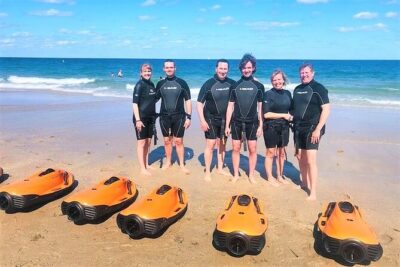
90-Minute Snorkel & Seabob Underwater Guided Reef Tour in Fort Lauderdale
Read our review →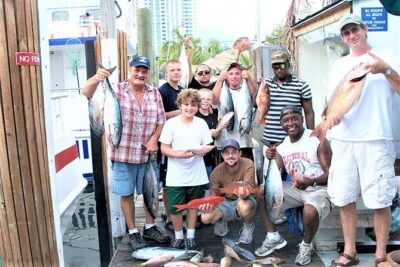
4-Hour Day or Night-Time Reef Bottom Fishing Charter in Fort Lauderdale
Read our review →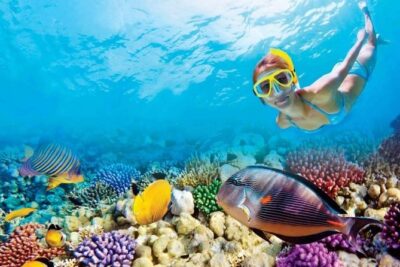
Full-Day Key West Tour and Coral Reef Snorkeling with Open Bar
Read our review →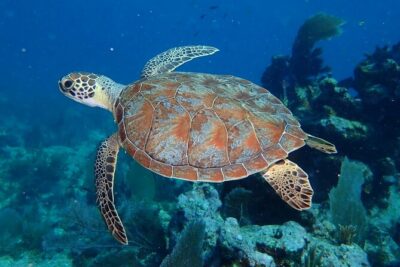
Private Snorkel to Key Largo Reef for up to 12 – INCLUDES GEAR!
Read our review →
Coral Reef Private Snorkel tour out to John Pennekamp Coral Reef State Park
Read our review →Browse the lists this tour appears in