
Reviewed · MUSEUMS
History Museum, Pioneer House Museum & Schoolhouse Museum
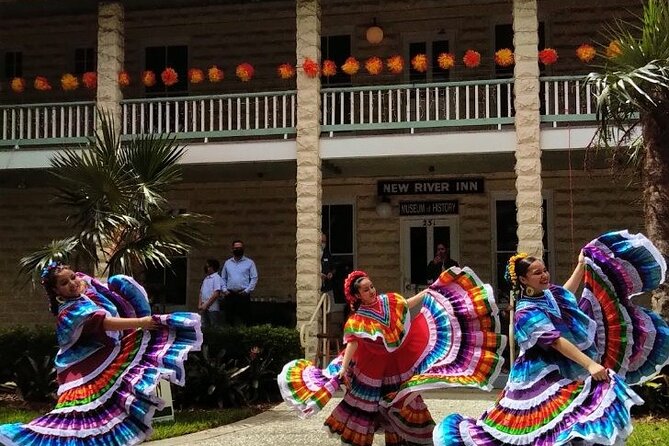
Fort Lauderdale’s story is much older and more layered than its beach-and-yacht image suggests. At History Fort Lauderdale, you move through three historic museums beside the New River, from Seminole roots and railroad growth to pioneer homes, Black-owned businesses, and an old-style schoolhouse. The setting is the historic heart of the city, yet it feels calm and green once you leave the downtown streets.
I like two things right away: one admission covers three buildings, and the guide adds the human stories that display cases cannot. Guides such as Daniel and David have spent years learning the city’s past, while the Pioneer House and schoolhouse give you a real sense of how people lived and worked. The main caution is the tour style. A few guides have talked at length, and long indoor lectures can feel uncomfortable in warm weather.
In This Review
- Key points to know before you go
- Fort Lauderdale beyond beaches and high-rises
- What happens at History Fort Lauderdale
- The Pioneer House and its 1920s rooms
- The Schoolhouse Museum and a lesson from 1899
- The guides make or break the visit
- How much time to allow
- Value, admission, and what is included
- Getting there and planning your visit
- Language and accessibility details
- Who will enjoy this Fort Lauderdale museum visit
- Should you book it?
- FAQ
- Where does the tour begin?
- How long does the experience last?
- Which museums are included?
- Is admission included?
- Are young children admitted free?
- What language is the tour offered in?
- Are translation options available?
- Is transportation included?
- Are drinks included?
- Can I cancel for a full refund?
Key points to know before you go
- Three museums in one visit: See History Fort Lauderdale, the Pioneer House Museum, and the replica Schoolhouse Museum.
- A strong local introduction: Learn how Fort Lauderdale grew from a small settlement through agriculture, railroads, education, and trade.
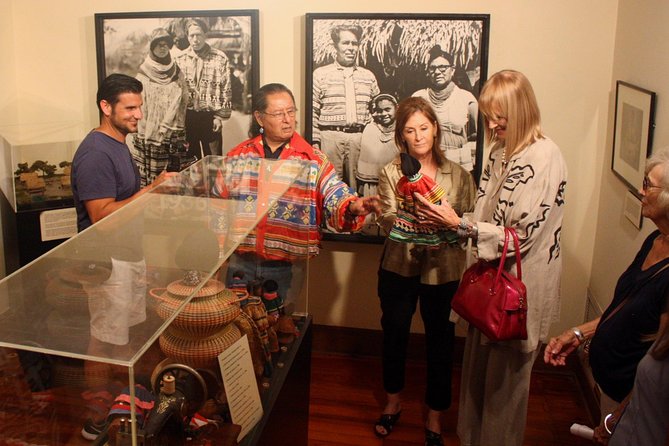
- Period details make the past tangible: Look for the old kitchen stove, Miami oak furnishings, telephone lines, and hand-operated Victrola.
- Guides shape the experience: Daniel, David, Caroline, and other docents have received strong praise, though the pace can vary.
- Easy downtown location: Start at 231 SW 2nd Ave, with restaurants nearby and the New River close by for a stroll afterward.
- Good value for history fans: The visit lasts about 1 to 2 hours, includes admission, and children ages 0 to 6 enter free.
Fort Lauderdale beyond beaches and high-rises
If you know Fort Lauderdale mainly for beaches, canals, and Las Olas Boulevard, this visit gives you a useful correction. The city did not spring up as a ready-made resort. Its growth came through settlement, farming, rail connections, education, commerce, and the work of families who shaped local life.
The museums sit on the banks of the New River, in a part of downtown that feels tied to the city’s early days. You are still close to modern Fort Lauderdale, but the old buildings, trees, and riverfront create a pause from traffic and office towers. I like this contrast. You can spend the morning learning why the city developed, then walk a short distance to restaurants or along the river.
The experience is especially useful at the start of a Fort Lauderdale stay. Once you understand the city’s early growth, places such as Las Olas Boulevard, the riverfront, and nearby historic sites make more sense. You are not just looking at old objects. You are learning how the town became the city around you.
More museums and exhibits in Fort Lauderdale:
- Miami: Frost Museum of Science and Planetarium Entry Ticket
★ 4.5 · 429 reviews - Miami: Museum of Ice Cream Entry Ticket
★ 4.3 · 394 reviews - Miami: Paradox Museum Entry Ticket
★ 4.6 · 186 reviews
What happens at History Fort Lauderdale
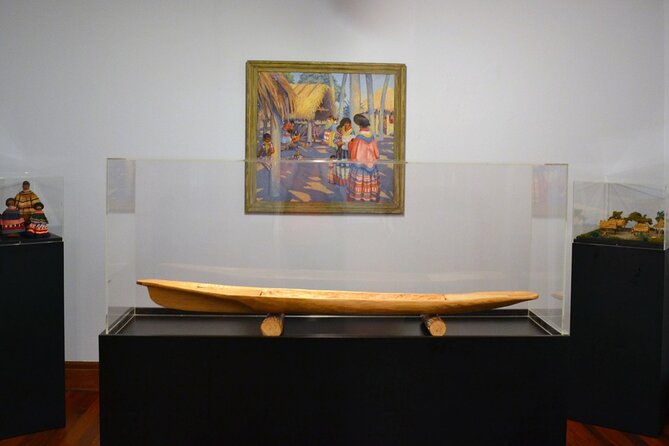
The main museum provides the broad outline. A short video, described as about seven minutes, covers subjects ranging from Seminole origins to agriculture and railroad expansion. It is a helpful opening because it gives you a framework before you begin looking closely at objects and rooms.
The building itself adds to the story. It was a 1920s hotel and later became a museum. Railroad tracks run beside the property, bringing a bit of living history to the visit. If a train passes during your time there, it is a fitting reminder of how transport helped South Florida communities grow.
Inside, you can expect displays about early Fort Lauderdale, local families, civic development, and the people who built businesses and institutions. The material reaches into the early 1900s and includes memorabilia that helps connect large events with ordinary life.
This part is partly self-guided, depending on the timing and structure of your visit. That can be an advantage. You can pause over photographs and objects instead of moving at one fixed pace. It also gives you a break if a spoken presentation becomes too long.
Rotating art shows occupy space on the third floor. The exhibits have included textile work, politically themed art, and pieces connected to modern Fort Lauderdale. One especially local example is art by Stephanie MacMillan, known for painting the city’s electrical utility boxes. The art is not simply an extra room to fill time. It shows how the city continues to interpret itself.
The Pioneer House and its 1920s rooms
The Pioneer House is the most atmospheric stop for many people. It is preserved in a 1920s style, with rooms that show how a local family might have lived and worked during the city’s early growth.
Look closely at the materials and household objects. The kitchen includes a period stove. The dining area and other rooms feature old tables, Miami oak wood, telephone lines, and a Victrola, an early record player operated by hand. These details matter because they turn a date in a textbook into a physical place.
The house also brings attention to people whose work is easy to overlook in a broad city history. You learn about early Black-owned businesses, including nursing services and taxi companies, as well as the first Black schoolteacher in the area. Those stories give the tour more balance than a simple account of railroads, developers, and civic leaders.
A good guide uses the rooms to explain how couples met, worked together, and helped turn an agricultural settlement into a functioning community. That personal angle is one of the best reasons to take the guided version instead of simply walking through the buildings alone.
David, who has been described as serving at the museum for nearly a decade, has guided some visits in 1920s clothing. That kind of presentation can help children and adults picture the period, though the value depends on how tightly the guide keeps the story moving.
The Schoolhouse Museum and a lesson from 1899
The Schoolhouse Museum is a replica of an 1899 schoolhouse. Wooden desks and the simple classroom arrangement offer a clear contrast with modern schools. You can sit for a moment and consider how different education would have felt in a hot Florida room with fewer supplies and far fewer comforts.
This is also the stop most affected by the guide’s timing. Some groups have reached the schoolhouse with enough time to appreciate it. Others have spent so long listening to an opening lecture that they had little time left for the building itself. If seeing all three museums is important to you, ask at the start how the 90-minute visit will be divided.
That question is practical, not fussy. Several accounts describe guides who were full of information but wandered away from the main subject. One person hoped to learn more about Ivy Cromartie Stranahan but spent much of the presentation on other topics and left before seeing the schoolhouse. A more focused guide can make the same material far more rewarding.
The schoolhouse works best as a short, concrete stop after the wider museum and Pioneer House. It gives you a direct sense of education, work, and daily life in early Fort Lauderdale. I would not want it crowded out by a long introduction.
More history walks near Fort Lauderdale:
- Fort Lauderdale History and Sightseeing Tour on Electric Bike(s)
★ 5.0 · 34 reviews - Fort Lauderdale Historic District Food Tour Experience
★ 5.0 · 28 reviews - Award-winning Art Deco & History Walking Tour in Miami Beach
★ 5.0 · 138 reviews - Miami Beach Art Deco & History Bike Tour with Design Enthusiast
★ 5.0 · 135 reviews
The guides make or break the visit
The human side of this experience is a major strength. Daniel has been praised for explaining Fort Lauderdale from its earliest years through the modern city. David has been described as warm, prepared, and especially good at bringing the Pioneer House to life. Caroline has also received praise for an informative and engaging visit.
The staff at the front desk can add to the welcome. One detailed account described Frank as friendly and attentive, while Kamal helped a family find the entrance from the parking area and shared information about a free Jazz Festival held on the first Sunday of each month. That kind of local help is useful, though event schedules can change, so confirm details before planning around them.
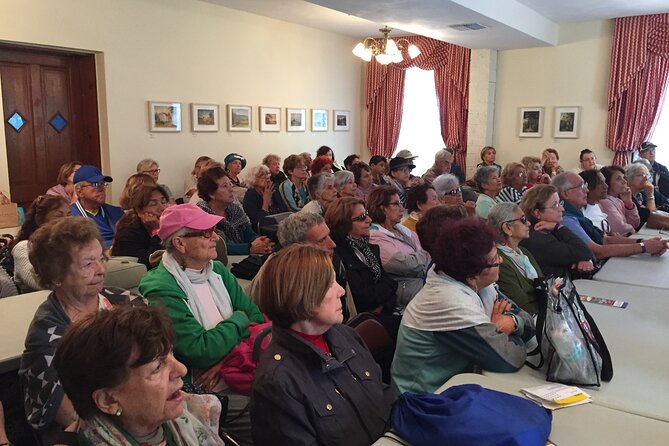
The less flattering point is equally important: guide quality varies. Most feedback is very positive, but a small number of visitors found the talk too long, unfocused, or uncomfortable in a room without good air conditioning. One person described a 55-minute presentation in a warm, unventilated space.
You should think about your own style. If you love a long conversation with a local history enthusiast, an expansive guide may be part of the fun. If you prefer a crisp timeline and plenty of time to inspect objects, ask for the planned order and duration at the beginning.
How much time to allow
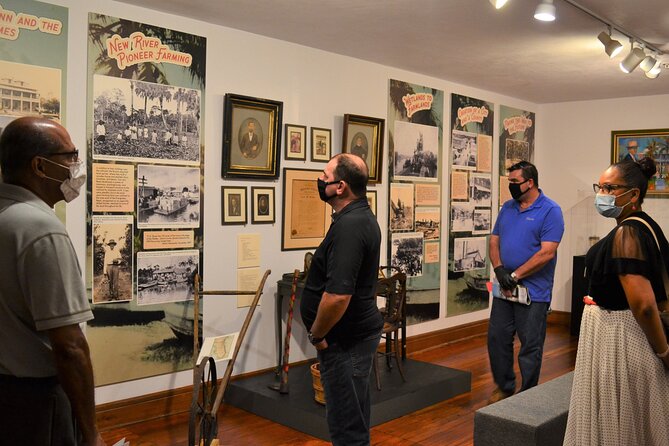
The stated duration is about 1 to 2 hours, with the main guided visit listed at roughly 90 minutes. That is enough for a useful introduction, but not enough to read every panel slowly and linger over every art display.
I would allow at least two hours if your schedule permits. The extra time gives you room to arrive, orient yourself, see the three buildings, and pause at the rotating exhibits. You can also walk beside the New River afterward without rushing to your next appointment.
If you have only one hour, focus on the guided portions and accept that you may not examine every display. The experience is compact enough for a morning or afternoon stop, but it is not a quick ten-minute attraction.
The group size can reach 35 people. That is still manageable for a museum tour, though a full group may make small rooms feel crowded. A quieter departure could give you more space in the Pioneer House and schoolhouse.
Value, admission, and what is included
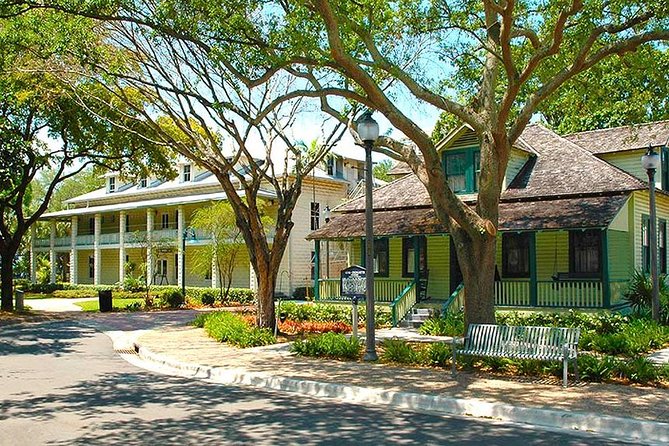
Admission is included in the package, and children ages 0 to 6 are free. One recent family account described adult admission at $15, but you should confirm the current price when booking because rates can change.
At that level, the value is good if you want context rather than a single display room. You are paying for access to three historic buildings, a guided presentation, the main museum exhibits, and rotating art. The New River setting and central location add value because you can combine the visit with lunch, dinner, or a walk downtown.
This is not the right choice if you want a major interactive attraction or a polished theatrical production. Its appeal comes from local objects, preserved rooms, and a guide who cares about the subject. The experience rewards curiosity more than spectacle.
Souvenir photos and drinks are not included. Transportation to and from the museums is also your responsibility. Children under seven enter free, which helps families keep the cost down, especially if they are already spending time in central Fort Lauderdale.
Getting there and planning your visit
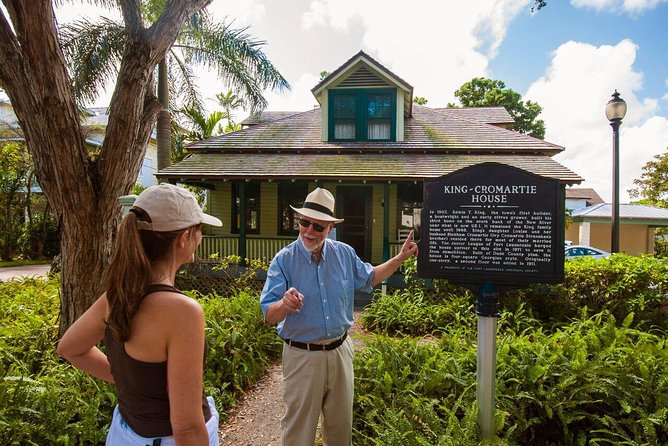
The starting point is 231 SW 2nd Ave in Fort Lauderdale. The site is near public transportation, and most people can take part. Service animals are allowed.
If you use a rideshare, plan the return trip before you leave. One visitor arrived by Uber and later had trouble booking a ride back because there was no Wi-Fi available nearby. You should not count on finding a convenient connection after the tour. Save the address and arrange your return while you still have service.
The central location makes a car less essential, but the package does not provide transportation. If you drive, ask about parking validation at the museum. A detailed family visit reported free museum parking with validation, but confirm the current arrangement before relying on it.
Wear comfortable shoes and expect some time indoors and outdoors. The grounds are pleasant, but the historic buildings may not have the same climate control as a modern museum. On a hot day, carry water for before or after the tour, since drinks are not supplied.
Language and accessibility details
The experience is offered in English. Translation is not provided through loaner headphones, but translation support may be available by scanning QR codes in the exhibits on your own smart device, with Spanish, French, and Portuguese listed as options.
If you are not comfortable following an English spoken tour, this detail matters. Bring a charged phone and check how the translation system works when you arrive. The QR option may help with exhibit text, but it may not replace every spoken explanation from the guide.
The site is near public transportation, service animals are allowed, and most people can participate. The supplied information does not give a full breakdown of ramps, stairs, or restroom access in each historic building, so contact the provider before booking if you have specific mobility needs.
Who will enjoy this Fort Lauderdale museum visit
I would recommend it most to first-time visitors who want local context, families with school-age children, Florida residents who have never explored downtown history, and anyone who prefers buildings and stories to boat rides.
History fans should get good value from the Pioneer House furnishings, early business stories, railroad material, and schoolhouse. Families can use the old desks, kitchen, and household objects to make the past easier for children to picture. The free admission for ages 0 to 6 is another plus.
It may be less satisfying if you want a fast, self-guided visit with no lecture. The guided format is central to the experience, and the quality depends on the person leading your group. If you dislike long talks, make your timing preference clear at the start.
You can also pair the visit with another nearby Fort Lauderdale sight. The New River is close, restaurants are nearby, and the museum can fit neatly before or after time on Las Olas Boulevard. Bonnet House was also suggested as a separate historic attraction, though it is not part of this experience.
Should you book it?
Book this tour if you want to understand Fort Lauderdale before spending the rest of your trip on the beach or water. The three-building format, period rooms, local Black history, schoolhouse, railroad setting, and rotating art give you more range than a basic city museum visit.
I would book it with one small condition: keep your expectations centered on a volunteer-led local history program, not a tightly scripted production. Ask how much time will be spent at each building, bring a charged phone if you may need translation, and plan your ride home in advance.
For a modest admission price and about 90 minutes of your day, this is a worthwhile way to meet the older Fort Lauderdale. If the guide keeps the story focused, you get a warm, personal introduction to the people and choices that shaped the city.
FAQ
Where does the tour begin?
The tour begins at 231 SW 2nd Ave, Fort Lauderdale, Florida 33301.
How long does the experience last?
The experience lasts approximately 1 to 2 hours. The main visit is listed at about 1 hour and 30 minutes.
Which museums are included?
The visit includes History Fort Lauderdale, the Pioneer House Museum, and the Schoolhouse Museum.
Is admission included?
Yes. Entrance fees are included in the experience.
Are young children admitted free?
Children ages 0 to 6 are free.
What language is the tour offered in?
The tour is offered in English.
Are translation options available?
Translation support may be available by scanning QR codes throughout the exhibits with your own smart device. Spanish, French, and Portuguese are listed as language options.
Is transportation included?
No. Transportation to and from the attractions is not included.
Are drinks included?
No. Drinks are not included.
Can I cancel for a full refund?
Yes, if you cancel at least 24 hours before the experience start time. Cancellations within 24 hours are not refunded, and changes within that period are not accepted.
Fresh reviews out of Fort Lauderdale
- Bite of the Beach, a Lauderdale by the Sea Walking Food Tour★ 5.0 · 3 reviews
- Epic Surf Lessons Dania Beach★ 5.0 · 3 reviews
- Signature Massage & Spa with Master Therapist and Infra Red Sauna★ 5.0 · 3 reviews
- Port Everglades to Fort Lauderdale Airport (FLL) – Departure Private Transfer★ 4.5 · 3 reviews
- Private Evening Boat Tour Fort Lauderdale for 12 People★ 5.0 · 3 reviews
- Private Half Day Deep Sea Sportfishing Charter in Fort Lauderdale★ 5.0 · 3 reviews
- 1 Hour-Relaxing Private Boat Tour – Fort Lauderdale (Up to 6 Pax)★ 5.0 · 3 reviews
- Fort Lauderdale: 6 People Golf Cart Rental★ 5.0 · 3 reviews
Museums, compared.

Frost Museum of Science and Planetarium Entry Ticket
Read our review →

Wynwood Walls, Galleries, and Murals Guided Tour
Read our review →


Little Havana Tour Private Cuban Podcaster Art, Museums, Music
Read our review →
Browse the lists this tour appears in