
Reviewed · TICKETS
Miami: Frost Museum of Science and Planetarium Entry Ticket
The most thrilling part of this Miami science day is the three-level aquarium, where you move from touch pools and jellyfish to hammerhead sharks in a striking waterfront building. I like that your $30 ticket also covers the planetarium and hands-on exhibits, so you can build a full indoor outing without adding separate admission fees. The catch is that planetarium seating is first come, first served, so you need to plan that part of your visit rather than wander in at the last minute.
I especially like the range: young children can press buttons, touch a stingray, and watch fish glide past, while older children and adults can tackle Mars landings, aviation, climate science, and black holes. You can easily spend three to four hours here, but the price may feel high if you only want a quick aquarium visit or arrive too late for your preferred planetarium show.
In This Review
- Key points to know before you go
- Start with the aquarium, not the gift shop
- Hands-on science for different ages
- Feathers, dinosaurs, and the road to space
- Choose your planetarium show early
- How much time should you set aside?
- Is the $30 ticket good value?
- Who will enjoy Frost Science most?
- Small details that make the day work better
- Should you book Frost Science?
- FAQ
- What does the Frost Science ticket include?
- How long is the ticket valid?
- How long should I plan to spend at the museum?
- Are planetarium seats reserved?
- Which planetarium shows can I choose from?
- Is the museum wheelchair accessible?
- Are food and drinks included?
- Can I cancel the booking?
Key points to know before you go
- Your ticket covers three major attractions: the Frost Science Museum, the aquarium, and one planetarium show.
- The aquarium has plenty of hands-on appeal: you can touch a stingray and see hammerhead sharks, jellyfish, and other sea life.
- The planetarium offers a real choice: select Dynamic Earth for climate science or Black Holes for galaxies, wormholes, and stellar collapse.
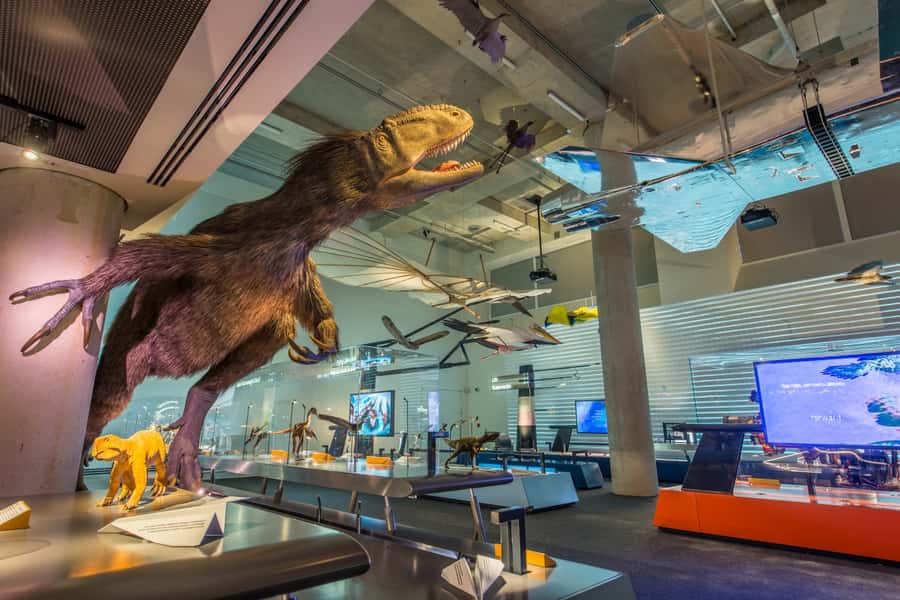
- A 30-foot Yutyrannus Huali gives the dinosaur displays a dramatic centerpiece.
- Plan on three to four hours if you want to see the main exhibits without rushing.
- Planetarium seats are first come, first served, which is the main timing issue to manage.
Start with the aquarium, not the gift shop
The Phillip and Patricia Frost Museum of Science sits in the heart of Downtown Miami beside the waterfront. It combines an aquarium, science museum, and planetarium under one admission, which makes it easier to justify the price than a single-purpose attraction.
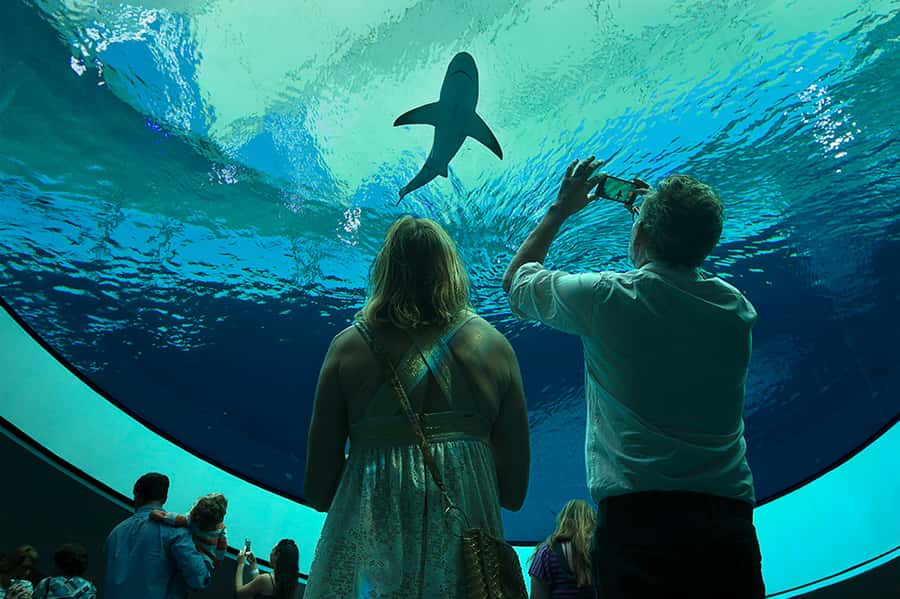
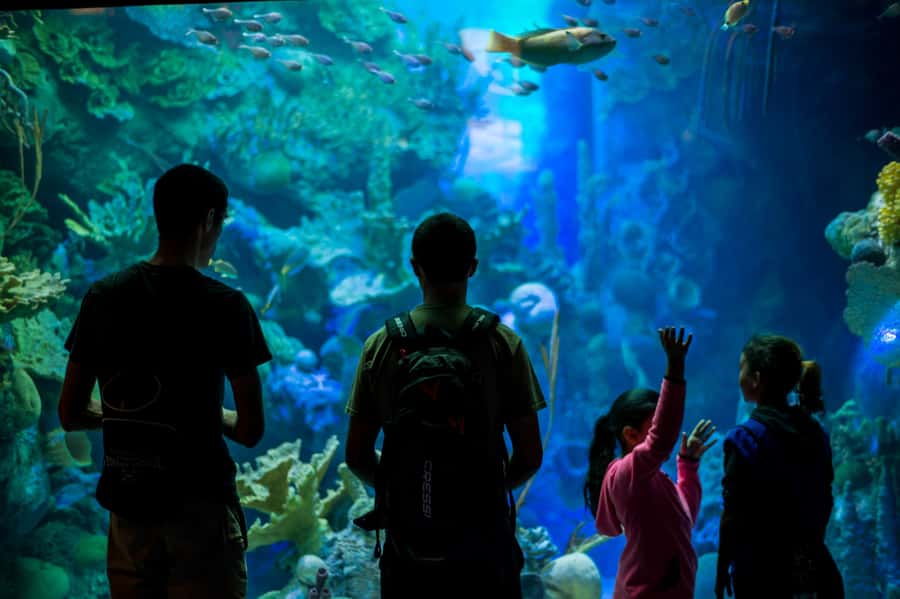
I would begin with the aquarium while your attention is fresh. Its three-level design gives the visit a sense of movement, taking you through different views of underwater life rather than presenting one long row of tanks. The aquarium is a strong choice for families because it mixes looking with doing.
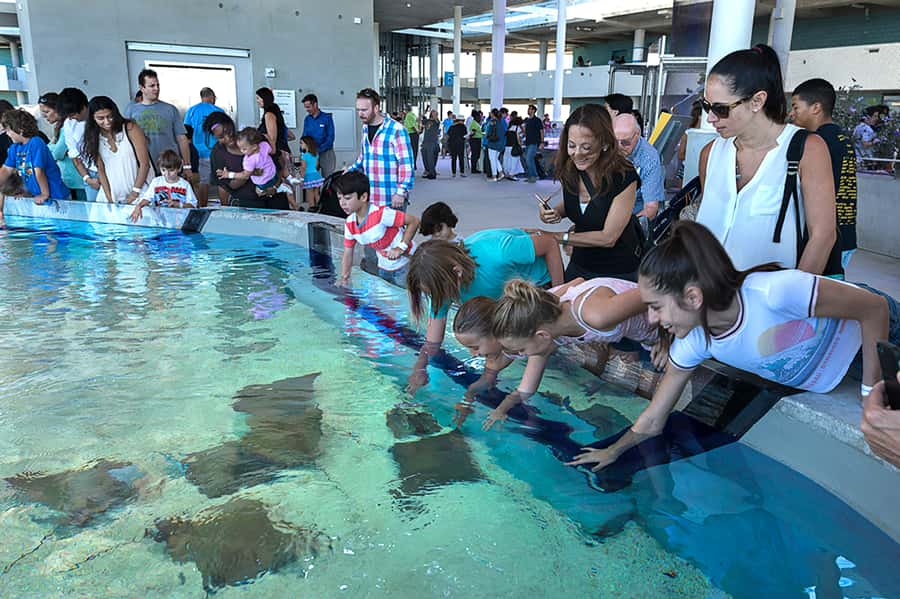
The stingray encounter is one of the clearest hands-on moments. You get the chance to touch a stingray, an experience that turns a standard aquarium stop into something children can remember. The touch area may be the busiest part of the aquarium, so give yourself time instead of treating it as a quick photo stop.
You will also find hammerhead sharks and jellyfish. The hammerheads provide the big, unmistakable animal moment, while jellyfish bring a slower, almost hypnotic display of movement and color. If your child is drawn to bright lights and motion, the jellyfish tanks may hold attention longer than you expect.
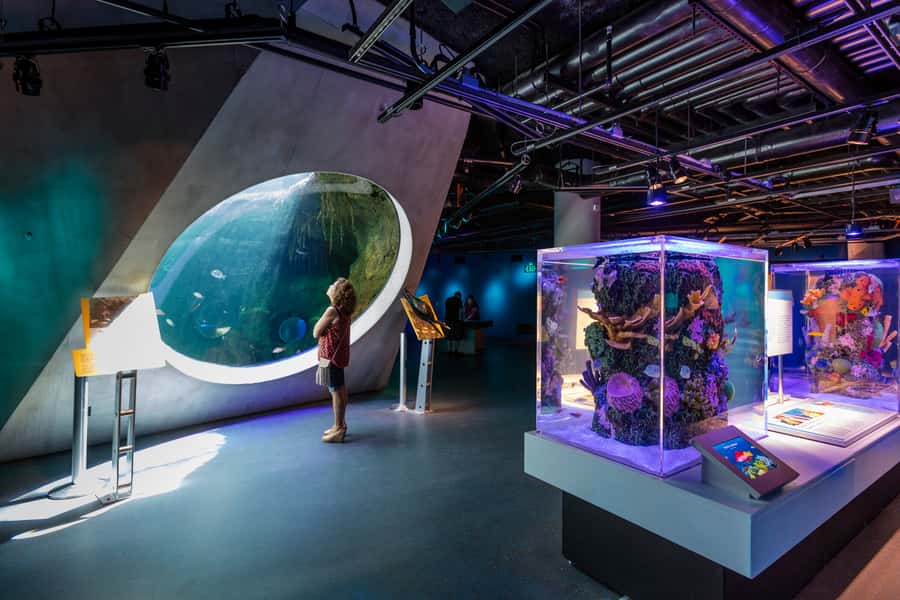
One practical point: the building’s levels can be a little confusing. The exhibits are spread across several floors, and signage may not always make it obvious where a particular display is located. Take a moment to check the floor information before crossing the building in search of one exhibit.
More museums and exhibits in Miami:
- History Museum, Pioneer House Museum & Schoolhouse Museum
★ 5.0 · 439 reviews - Miami: Museum of Ice Cream Entry Ticket
★ 4.3 · 394 reviews - Miami: Paradox Museum Entry Ticket
★ 4.6 · 186 reviews
Hands-on science for different ages
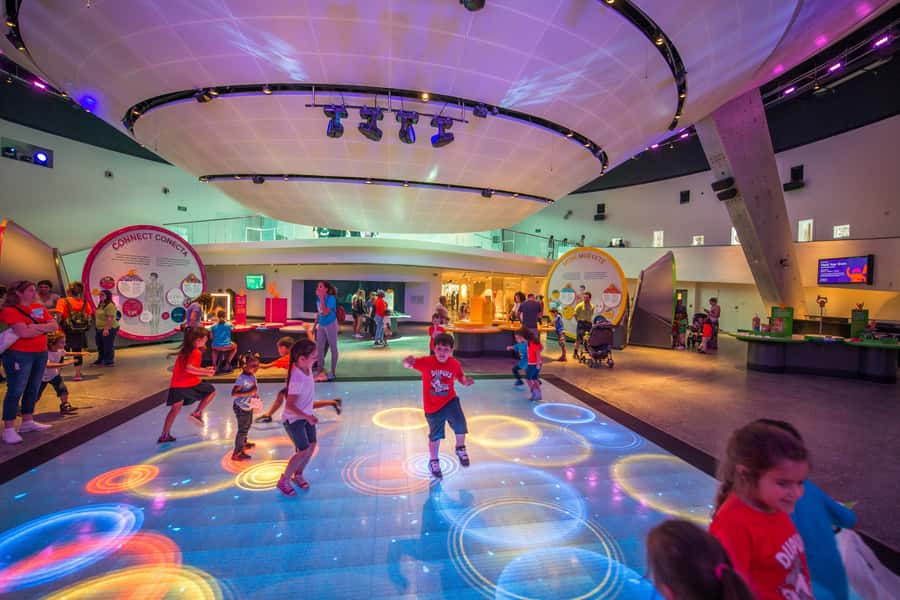
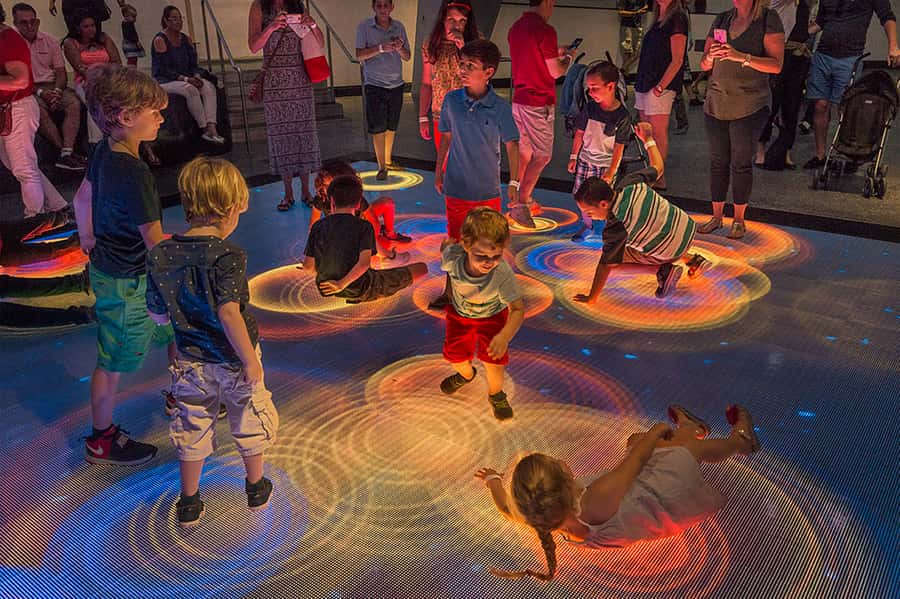
The museum works best when you treat it as a place to test things, not just read labels. Its interactive exhibits let you see how science works through motion, technology, machines, and visual displays. That variety matters in a family group, since not everyone wants to spend an hour looking at fish.
You can explore Power of Science, which focuses on how scientific discoveries push past what once seemed possible. This section gives the visit some useful context. Instead of presenting science as a list of famous names and dates, it connects discoveries with questions, experiments, and practical results.
The aviation material is another good stop. You can learn about inventors who helped pioneer flight and see how human attempts to leave the ground developed over time. This is especially useful for children who like machines, but it also gives adults more to consider than a simple display of aircraft facts.
At other exhibits, you can try to land a spacecraft on Mars. That kind of activity gives you a feel for how difficult timing, control, and precision can be in space travel. You are not just reading that Mars missions are complicated, you are trying to make a successful landing yourself.
The science center is also a good refuge from Miami heat or rain. The museum provides enough indoor material to fill much of a day, and its wheelchair accessibility makes it practical for a wider range of visitors. The large floor plan can be tiring, though, especially for small children who want to stop at every screen and station.
Feathers, dinosaurs, and the road to space
The Feathers to the Stars exhibit links dinosaurs with modern space travel. Its central idea is the long chain from feathered dinosaurs to human flight and eventually spacecraft. That connection gives the science a story, rather than leaving you with separate displays that do not speak to one another.
The 30-foot Yutyrannus Huali is hard to miss. A dinosaur of that size gives the exhibit a strong visual anchor and helps younger children connect with the material before they tackle the more technical parts. I would allow extra time here if your group likes prehistoric animals.
The exhibit also helps explain why science museums can work for adults and children at the same time. A child may focus on the towering dinosaur, while you can follow the larger question of how animals, flight, and technology relate. The experience does not require a science background, and you can take as much or as little detail as your group wants.
Because the museum has many displays, you may see temporary changes or sections that are not immediately obvious from the floor information. If you have one must-see exhibit, ask at the museum or check the current signs when you enter. That small step can save a frustrating hunt across multiple levels.
Choose your planetarium show early
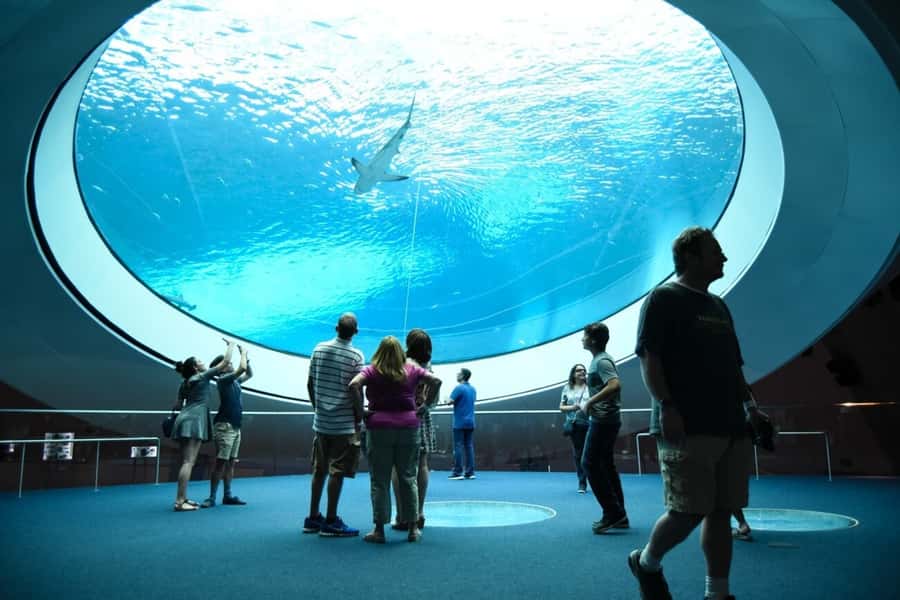
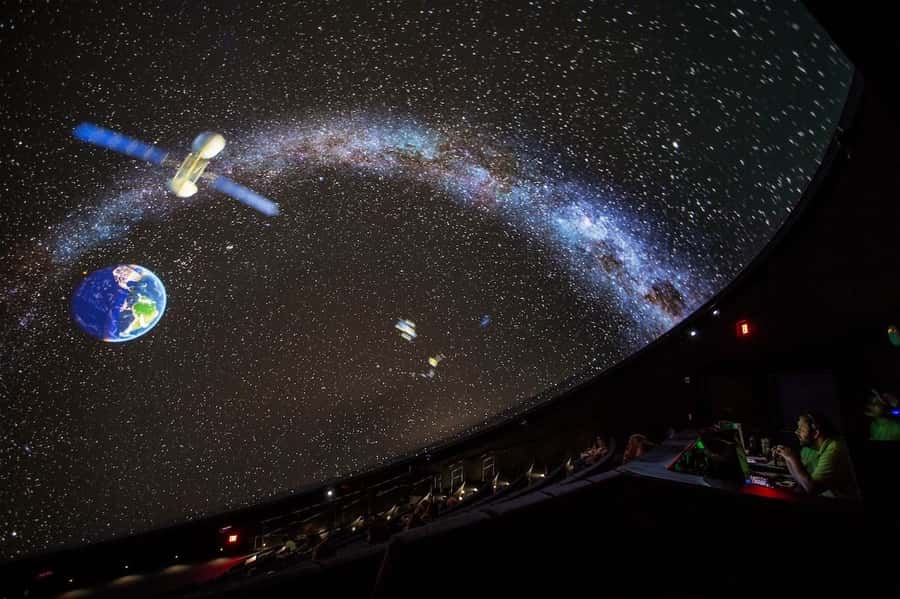
The Frost Planetarium is one of the major reasons to buy this combined ticket. Its nearly 360-degree screen surrounds you with large-scale space imagery, so the show feels very different from watching a standard film in a flat theater.
Your ticket includes one planetarium show. The available choices described here take different approaches, so your decision depends on what interests you most.
Dynamic Earth looks at the inner workings of Earth’s climate system. It is narrated by Liam Neeson and focuses on forces that shape the planet, making it the better pick if you want earth science and climate rather than distant galaxies.
Black Holes takes you far beyond Earth. It explores wormholes, the formation of the Milky Way, the violent death of a star, and the birth of a black hole. If you like dramatic space subjects, this is likely the more exciting choice.
The key rule is simple: planetarium seating is first come, first served. The ticket gives you access to a show, but it does not guarantee a seat at any particular time. I would check the show schedule as soon as you arrive, then shape the aquarium and museum visit around the screening you want.
This is the main drawback of the ticket. The rest of the museum is flexible, but the planetarium has a fixed capacity and scheduled presentations. If you arrive late or spend too long at the first exhibits, you may need to accept a later show or adjust your plan.
A few more Miami bookings worth a look
- Little Havana Food and Walking Tour in Miami
★ 5.0 · 8,882 reviews - From Miami: Everglades Airboat, Wildlife Show & Bus Transfer
★ 4.2 · 8,622 reviews - Miami: Biscayne Bay Millionaire’s Homes Sightseeing Cruise
★ 4.5 · 7,348 reviews - Miami: Everglades National Park Airboat Tour & Wildlife Show
★ 4.5 · 7,296 reviews
How much time should you set aside?
You can technically see the museum in less time, but I would budget three to four hours if you want to use the ticket well. That gives you room for the aquarium, a few interactive science areas, the dinosaur displays, and one planetarium presentation.
A short visit may still work if you have a packed Miami schedule. In that case, choose your priorities before entering. The aquarium and planetarium are the easiest anchors, while the hands-on exhibits can fill any time between them.
For a family, three to four hours is a useful target because children often need pauses between sections. The museum has enough variety to keep the day moving, but the amount of content can also lead to sensory overload. You do not need to see every panel or try every activity to get good value.
The ticket is valid for one day. You can use that day at your own pace, but the attraction does not include hotel pickup or drop-off. You make your own way to the Phillip and Patricia Frost Museum of Science, and the activity ends at the same location.
Is the $30 ticket good value?
At $30 per person, this is not a throwaway stop. The value comes from the combination of three attractions: aquarium access, the science museum, and one planetarium show. If you use all three and stay for several hours, the price is reasonable for a major indoor Miami attraction.
I would be less enthusiastic about the price for someone who only wants to see the aquarium. The ticket is designed for a full visit, so you should arrive with enough time to explore rather than squeezing it between two other appointments.
The planetarium adds important value, especially if you choose a show that matches your interests. The aquarium provides the strongest animal appeal, while the interactive displays give children a reason to keep moving. Together, they make the admission more useful than a simple walk through static exhibits.
Food and drinks are not included. You should account for that when planning the day, particularly if you are visiting with children. The ticket also cannot be applied toward an annual membership, so do not buy it expecting to convert the admission into membership credit later.
There is a useful booking safety net: you can cancel up to 24 hours in advance for a full refund, and you can reserve now while paying later. Those terms help if your Miami schedule is still changing.
Who will enjoy Frost Science most?
I would recommend this experience most strongly to families with school-age children, especially those who like animals, machines, dinosaurs, or space. The touch pool, sharks, jellyfish, and large dinosaur provide immediate appeal, while the Mars and aviation exhibits give older children something more demanding.
It also suits adults who want an indoor activity with more substance than a quick photo stop. The climate film and black hole presentation can carry the visit for grown-ups, while the aquarium gives the day an easy visual rhythm.
The museum is suitable for all ages, but very young children may not use every interactive station. That does not make the visit a poor choice. They can still enjoy the colors, animals, aquarium movement, and planetarium images, then return when they are old enough to engage with the science activities more fully.
If your group dislikes fixed schedules, pay close attention to the planetarium rule. The museum itself allows flexible wandering, but the show requires a little planning. If your group wants a quiet, quick outing, the size and number of exhibits may feel like too much.
Small details that make the day work better
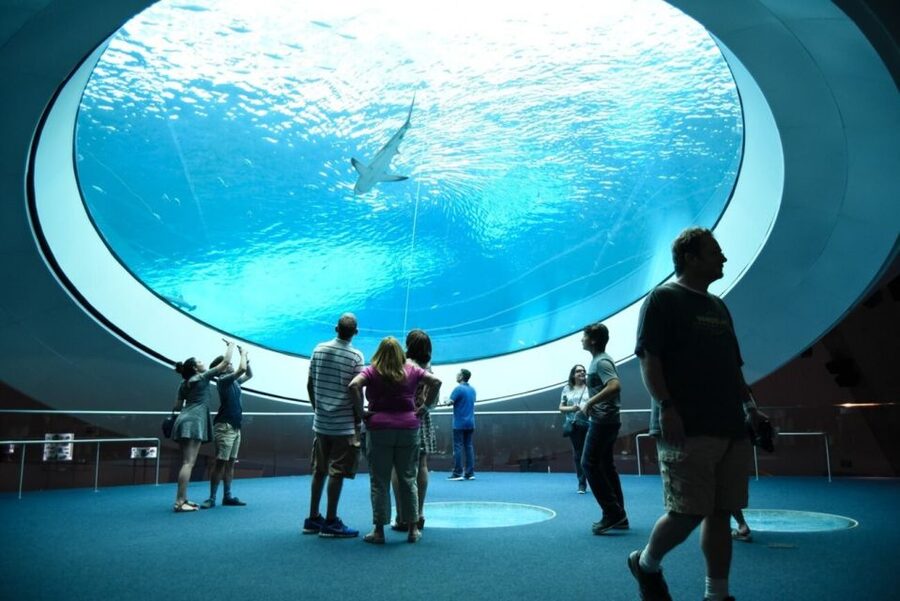
Check the planetarium schedule first. This is the single best way to avoid missing the show you want, since admission is not the same as reserved seating.
Wear comfortable shoes and expect to walk between floors. The museum covers more than 250,000 square feet, and a three to four hour visit can become tiring even when most of the time is spent indoors.
Give the aquarium proper time. It is tempting to hurry toward the planetarium, but the stingray touch area and shark displays are among the most memorable parts of the ticket.
If you are visiting with children, divide the day into clear sections: aquarium, hands-on exhibits, lunch or a rest break outside the ticketed experience, then planetarium. This keeps the visit from becoming a blur of screens, tanks, and stairs.
Do not expect food, drinks, transportation, or membership upgrades to be part of the admission. Those costs and arrangements sit outside the ticket.
Should you book Frost Science?
Book this ticket if you want a substantial indoor Miami attraction with animals, interactive science, dinosaurs, and a planetarium in one place. At $30, it offers solid value when you stay for three or four hours and make time for the show.
I would skip it only if your schedule allows less than two hours, you want only an aquarium, or you need a guaranteed planetarium time. For everyone else, the combination is hard to beat: touch a stingray, look up at a black hole or Earth’s climate system, then let children try to land a spacecraft on Mars. Just check the planetarium schedule at the door and make that choice early.
FAQ
What does the Frost Science ticket include?
The ticket includes entry to the Frost Science Museum, access to the aquarium, and one planetarium show.
How long is the ticket valid?
The ticket is valid for one day. Starting times depend on availability.
How long should I plan to spend at the museum?
If you take advantage of the main exhibitions, you can easily spend three to four hours exploring.
Are planetarium seats reserved?
No. Planetarium shows are available on a first come, first served basis.
Which planetarium shows can I choose from?
The available choices include Dynamic Earth, which explores Earth’s climate system and is narrated by Liam Neeson, and Black Holes, which covers wormholes, the Milky Way, the death of a star, and the birth of a black hole.
Is the museum wheelchair accessible?
Yes, the activity is wheelchair accessible.
Are food and drinks included?
No. Food and drinks are not included in the ticket.
Can I cancel the booking?
Yes. You can cancel up to 24 hours in advance for a full refund. You can also reserve now and pay later.
Fresh reviews out of Miami
- Miami’s Best Views: Private Boat Tour★ 5.0 · 3 reviews
- Jetcar Experiences★ 5.0 · 3 reviews
- Palm Beach Tour from Miami – Flagler’s Museum + Hotel Breakers★ 5.0 · 3 reviews
- Miami: Private Yacht Rental Tour with Dolphins and Snorkel★ 4.9 · 3 reviews
- Hollywood Meets Miami Beach Movie and Tasting Tour★ 5.0 · 3 reviews
- Miami: Everglades National Park Hiking and Kayaking Day Trip★ 5.0 · 3 reviews
- Miami: 30-Minute Private Helicopter Tour with Champagne★ 5.0 · 3 reviews
- Little Havana French Gourmet Guided Tour★ 5.0 · 3 reviews
Tickets, compared.
‘Superblue Miami’ Immersive Art Experience Ticket
Read our review →



Superblue Miami Immersive Art Experience Ticket
Read our review →

Skip the Line: Flamingo Gardens Admission Ticket in Fort Lauderdale
Read our review →Browse the lists this tour appears in