
Reviewed · HISTORICAL TOURS
La Perle de Miami: Little Haiti History, Culture, Tour
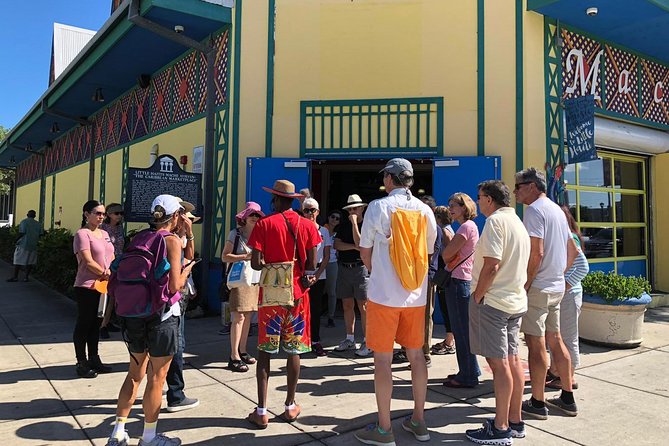
Little Haiti is best understood at street level, through its food, language, music, shops, and the people working to protect the neighborhood’s identity. This 90-minute tour takes you beyond Miami’s beach scene and into a community shaped by Haitian migration, creativity, faith, and daily life.
I like the local perspective, especially the chance to hear from guides such as Abraham, Antoine, and Cedelka, who explain the neighborhood with personal feeling. I also like the stops for Haitian snacks, including patties and ice cream, along with visits to places such as the cultural center, bookstore, market, and art spaces.
The main drawback is that the experience can depend heavily on the guide and the day’s arrangements. Two serious complaints describe a guide not arriving at the meeting point, so confirm the details before setting out and allow extra care with transportation to the starting location.
In This Review
- Key points to know before booking
- Why Little Haiti deserves time beyond South Beach
- Meeting the guide at the Little Haiti Cultural Complex
- Following the story from Lemon City to Little Haiti
- Cultural stops that make the tour more than a neighborhood walk
- Tasting Haitian patties, ice cream, and neighborhood food
- Language, religion, and community voices
- How the 90-minute length affects the experience
- Value, group size, and practical comfort
- Who will enjoy this Little Haiti tour most
- Should you book Tap Tap Tours?
- FAQ
- How much does the Little Haiti tour cost?
- How long does the experience last?
- Where does the tour begin?
- Where does the tour end?
- What language is the tour offered in?
- Are food tastings included?
- How many people can join the tour?
- What happens if the weather is poor?
Key points to know before booking
- A local introduction to Haitian Miami: Learn how Lemon City developed into today’s Little Haiti and how Haitian culture took root in Miami.
- Food is part of the lesson: Traditional snacks such as Haitian patties and ice cream are included, giving you a tasty way to connect with the neighborhood.
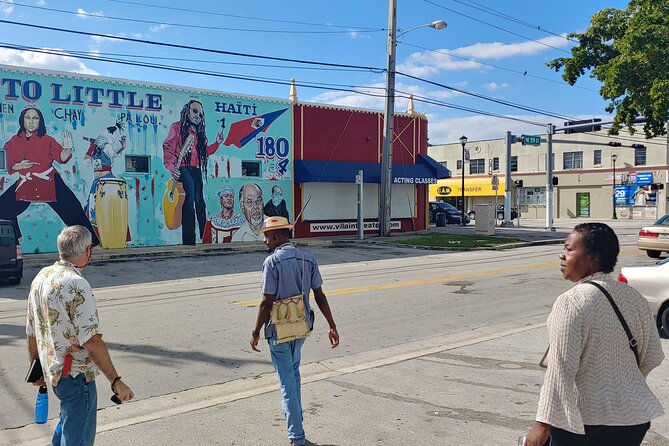
- The route reaches beyond the cultural center: Depending on the day, you might visit a bookstore, market, art gallery, record shop, bakery, farm, or historic site.
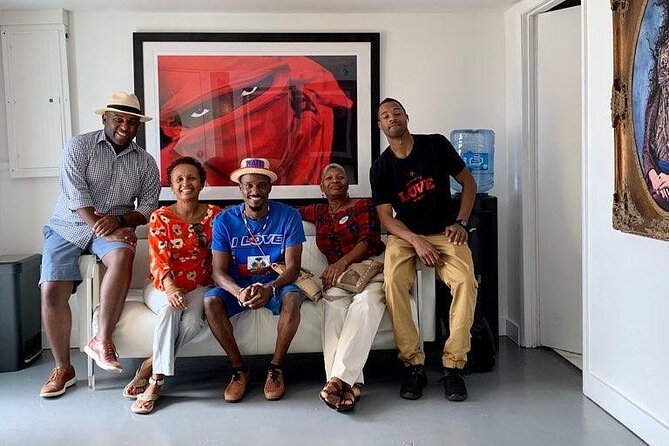
- Guides shape the experience: Abraham, Antoine, and Cedelka have all led tours, with an emphasis on Haitian culture, language, migration, and community life.
- Expect an introduction, not an exhaustive tour: The 90-minute format offers a useful first look and may leave you wanting more time.
- Plan carefully for the meeting point: The tour starts at the Little Haiti Cultural Complex, returns there, and requires good weather.
Why Little Haiti deserves time beyond South Beach
Miami is often sold through beaches, nightclubs, design districts, and palm-lined streets. Little Haiti offers a different way to read the city. Here, Haitian culture appears in language, food, music, businesses, religious traditions, public art, and the ongoing effort to preserve a community under pressure from redevelopment.
The tour begins at the Little Haiti Cultural Complex, at 212 NE 59th Terrace. That location makes sense as a first stop because it gives you a cultural and civic anchor before the walk moves into the surrounding streets.
I like this approach because you are not simply being shown a collection of colorful storefronts. You are given context for how the neighborhood formed and why its identity matters. The guide explains how Haitian immigrants came to Miami and how the area once known as Lemon City became associated with Little Haiti.
That background gives the later stops more meaning. A bakery is not just a place to buy a snack. A bookstore is not simply a shop. A market, record store, gallery, or small farm becomes part of a larger story about how a community maintains its traditions while adapting to life in a major American city.
More history walks near Miami:
- History Museum, Pioneer House Museum & Schoolhouse Museum
★ 5.0 · 439 reviews - Award-winning Art Deco & History Walking Tour in Miami Beach
★ 5.0 · 138 reviews - Miami Beach Art Deco & History Bike Tour with Design Enthusiast
★ 5.0 · 135 reviews
Meeting the guide at the Little Haiti Cultural Complex
Your 90-minute experience starts at the Little Haiti Cultural Complex and ends at the same location. The tour is offered in English, and the group can include as many as 50 people, although the feel of the experience may vary depending on the actual number present.
The listed format is a guided walking tour, but past outings have also included driving around the neighborhood. One account noted that a golf cart was unavailable that day, so you should not book this expecting a guaranteed golf-cart ride. Think of the vehicle portion as something that may be used by the guide rather than a central feature of the product.
The meeting point is near public transportation, but the information provided does not specify which route to take or how long your journey will be. Since one complaint involved a long and costly taxi ride after the guide failed to appear, I would confirm the meeting instructions before leaving your hotel. Keep the operator’s contact details handy and arrive with enough time to find the cultural complex.
There have been very positive comments about the tour starting on time and being well organized. Still, the two no-show complaints are important to weigh. They do not erase the strong praise for the content, but they do mean you should not treat the meeting point as an afterthought.
Following the story from Lemon City to Little Haiti
The strongest part of this experience is its historical explanation. The guide places Haitian migration within the story of Miami, then shows how Haitian residents built a community in and around Lemon City.
You may learn about the reasons Haitians came to the United States, the development of Haitian institutions, and the political and cultural issues that shape the neighborhood today. One guide, Abraham, is especially associated with discussions about language, immigration, development, and the risk of gentrification.
This is useful because Little Haiti can be easy to misunderstand from a quick drive through the area. A short visit might show you signs in Haitian Creole, restaurants, shops, and colorful buildings, but without context you may miss the connections between them.
The guides also bring personal experience to the tour. Cedelka has shared memories of Haiti and explained how parts of Little Haiti reflect life there. That kind of perspective can turn a standard sightseeing walk into a conversation about memory, identity, and what it means to recreate home in another country.
Do not expect an academic lecture. The tone is informal and conversational, with room for questions. If you are curious about Haitian history, language, politics, or religion, ask. Abraham, in particular, has been praised for taking time with detailed questions.
Cultural stops that make the tour more than a neighborhood walk
The exact stops can change, but the experience may include the Little Haiti Cultural Complex, a locally owned bookstore, an open-air market, a bakery, an art gallery, a record shop, a small farm, and a Florida State Historic Site.
That variety is one of the tour’s best features. You get more than a single theme. The cultural complex introduces public programming and community identity. The bookstore connects to Haitian literature and language. The market shows everyday shopping rather than a display arranged only for visitors.
An art gallery can add another layer. The exhibits change during the year, so you should think of the gallery as a bonus rather than a fixed collection. If you enjoy local art, this stop may be a pleasant surprise, but the tour does not promise a particular exhibition.
The record shop and music references add a sense of sound and atmosphere. Music is part of the tour’s appeal, though the available information does not specify a fixed performance or concert. You may hear music as the guide moves through the neighborhood, but this is not marketed as a live music event.
The visit to a farm or Haitian rural-style home in the middle of Miami is one of the more unusual possibilities. It connects the urban neighborhood with agricultural and domestic traditions associated with Haiti. Since the route can change, treat this as a possible stop rather than a guarantee.
A few more Miami bookings worth a look
- Little Havana Food and Walking Tour in Miami
★ 5.0 · 8,882 reviews - From Miami: Everglades Airboat, Wildlife Show & Bus Transfer
★ 4.2 · 8,622 reviews - Miami: Biscayne Bay Millionaire’s Homes Sightseeing Cruise
★ 4.5 · 7,348 reviews - Miami: Everglades National Park Airboat Tour & Wildlife Show
★ 4.5 · 7,296 reviews
Tasting Haitian patties, ice cream, and neighborhood food
Food is included in the $50 price, and it gives the tour a welcome sensory lift. Past visits have included Haitian patties and Haitian ice cream, along with a bakery stop. These are not just refreshments placed between sightseeing stops. They help you understand the neighborhood through familiar flavors and local businesses.
The tour has also included a meal at Chef Creole on at least one occasion, but the provided details do not establish that a full meal is included every time. Do not assume lunch or dinner is part of the standard price. The confirmed food feature is traditional Haitian snacks.
I like this modest approach to food. A small taste can encourage you to look more closely at the shops and food traditions around you, without turning the whole tour into a restaurant crawl. If you have allergies or dietary restrictions, ask the operator before booking, since the available information does not describe the ingredients or substitutions.
The food stop also adds value to the price. At $50 per person, you are paying for a guide-led introduction rather than simple transportation or a short photo walk. The cultural explanation, local contacts, neighborhood stops, and included snacks help justify the fee, especially if you want a structured first visit.
Language, religion, and community voices
Little Haiti is not only a food and shopping district. The tour can address Haitian Creole, traditional religion, and the people who helped establish cultural institutions in the neighborhood.
One particularly unusual outing included a meeting with a practitioner of Haitian Vodou. That conversation focused on the religion itself and gave the visitor a chance to ask questions directly. This should not be treated as a guaranteed stop, but it shows the kind of personal access the tour may offer when the guide’s contacts and schedule allow it.
Another possible encounter involved a linguist who opened the first library in Little Haiti. The discussion covered the development of Creole, Haitian culture, and language politics. For anyone interested in languages or migration, this could be one of the most rewarding parts of the experience.
At the same time, approach such stops with respect. You are entering a living community, not a theme park. Listen carefully, ask polite questions, and allow the guide to set the tone. The best experience comes when you treat people as community members sharing their work and knowledge, not as sights to be collected.
How the 90-minute length affects the experience
An hour and a half is long enough to gain a clear introduction, but not enough to explore Little Haiti in great detail. The route must keep moving, especially if it includes several stops and explanations.
That short format is useful if you have only a few days in Miami or want an organized first look before returning on your own. It also suits anyone who prefers a focused outing rather than a full-day cultural program.
The tradeoff is depth. You may hear about a bookstore, gallery, market, farm, historic site, and cultural center without having much time at each one. The tour is best viewed as a starting point. Afterward, you may want to return to a food business, shop, or cultural venue that caught your attention.
The experience can also feel different depending on the guide. Antoine has been praised for friendly explanations and for sharing Haitian ice cream and patties. Abraham is associated with detailed discussions of history, language, politics, and development. Cedelka brings personal stories from Haiti and a strong sense of connection to the neighborhood.
Value, group size, and practical comfort
At $50 per person, this is not the cheapest way to spend 90 minutes in Miami. It can still be good value if you want interpretation, local introductions, and food included. You are paying for access and context, not merely walking from one address to another.
The maximum group size is 50 people. That is a fairly large upper limit for a conversation-based neighborhood tour. A smaller group should make it easier to hear the guide and ask questions, while a full group could make intimate stops less comfortable.
Most people can participate, and service animals are allowed. The experience requires good weather, so rain can lead to a different date or a full refund. Free cancellation is available up to 24 hours before the start time. Cancellations made inside that window are not refunded, and changes are not accepted within 24 hours.
The activity is offered in English only. If you want Haitian Creole instruction, one guide has taught basic phrases, but that is not a separate language class or a guaranteed part of every outing.
Who will enjoy this Little Haiti tour most
I would recommend it to you if you want to understand Miami through migration, food, language, and community life. It is especially suited to solo visitors, couples, and families who enjoy asking questions and meeting local people.
It also works well for anyone who has already seen the major Miami attractions and wants a different side of the city. The focus on Haitian culture makes it more specific than a general city tour, while the short duration keeps the commitment manageable.
You may be disappointed if you want a fixed route with guaranteed stops, a polished bus tour, or a long meal. The itinerary can include several distinctive places, but not every account describes the same sequence. You should also avoid booking if you cannot tolerate some uncertainty around the day’s route or guide availability.
Should you book Tap Tap Tours?
Book this tour if you want a thoughtful introduction to Little Haiti and are willing to let the guide shape the experience. The best reasons to go are the personal stories, the neighborhood history, the chance to hear Haitian Creole and cultural perspectives, and the included snacks.
Before booking, contact Tap Tap Tours to confirm the meeting time, starting location, and current arrangements. That step matters because the tour has received two serious complaints involving a missing guide, even though it has also received repeated praise for organization and strong guiding.
If you go, arrive ready to listen and ask questions. Consider the 90 minutes a first chapter, not the whole book. For many visitors, the real value is leaving with enough context to return to Little Haiti on your own.
FAQ
How much does the Little Haiti tour cost?
The tour costs $50 per person.
How long does the experience last?
The experience lasts approximately 1 hour and 30 minutes.
Where does the tour begin?
The tour begins at the Little Haiti Cultural Complex, 212 NE 59th Terrace, Miami, Florida 33137.
Where does the tour end?
The activity ends back at the Little Haiti Cultural Complex.
What language is the tour offered in?
The tour is offered in English.
Are food tastings included?
Yes. Traditional Haitian snacks are included. Past outings have included Haitian patties and ice cream.
How many people can join the tour?
The activity has a maximum capacity of 50 people.
What happens if the weather is poor?
The experience requires good weather. If it is canceled because of poor weather, you will be offered another date or a full refund.
Fresh reviews out of Miami
- Miami’s Best Views: Private Boat Tour★ 5.0 · 3 reviews
- Jetcar Experiences★ 5.0 · 3 reviews
- Palm Beach Tour from Miami – Flagler’s Museum + Hotel Breakers★ 5.0 · 3 reviews
- Miami: Private Yacht Rental Tour with Dolphins and Snorkel★ 4.9 · 3 reviews
- Hollywood Meets Miami Beach Movie and Tasting Tour★ 5.0 · 3 reviews
- Miami: Everglades National Park Hiking and Kayaking Day Trip★ 5.0 · 3 reviews
- Miami: 30-Minute Private Helicopter Tour with Champagne★ 5.0 · 3 reviews
- Little Havana French Gourmet Guided Tour★ 5.0 · 3 reviews
Historical Tours, compared.
History Museum, Pioneer House Museum & Schoolhouse Museum
Read our review →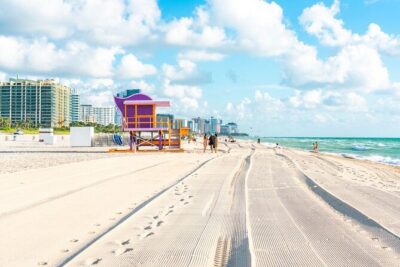
Award-winning Art Deco & History Walking Tour in Miami Beach
Read our review →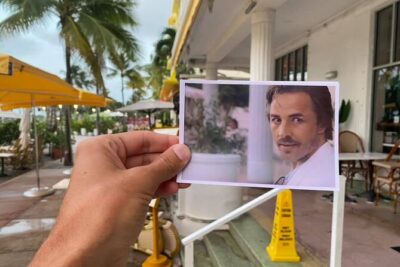
Miami Beach Art Deco & History Bike Tour with Design Enthusiast
Read our review →
Food Tour of Historic West Palm Beach Neighborhoods
Read our review →
Miami Small Group Boat Tour: History, Wildlife, and Stiltsville
Read our review →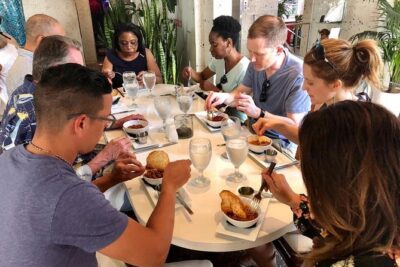

Fort Lauderdale History and Sightseeing Tour on Electric Bike(s)
Read our review →
Browse the lists this tour appears in